
Sober Living Management Software: The Complete Guide
Compare the top sober living management software platforms for recovery housing operators. Features, pricing tiers, ROI analysis, and implementation guidance.
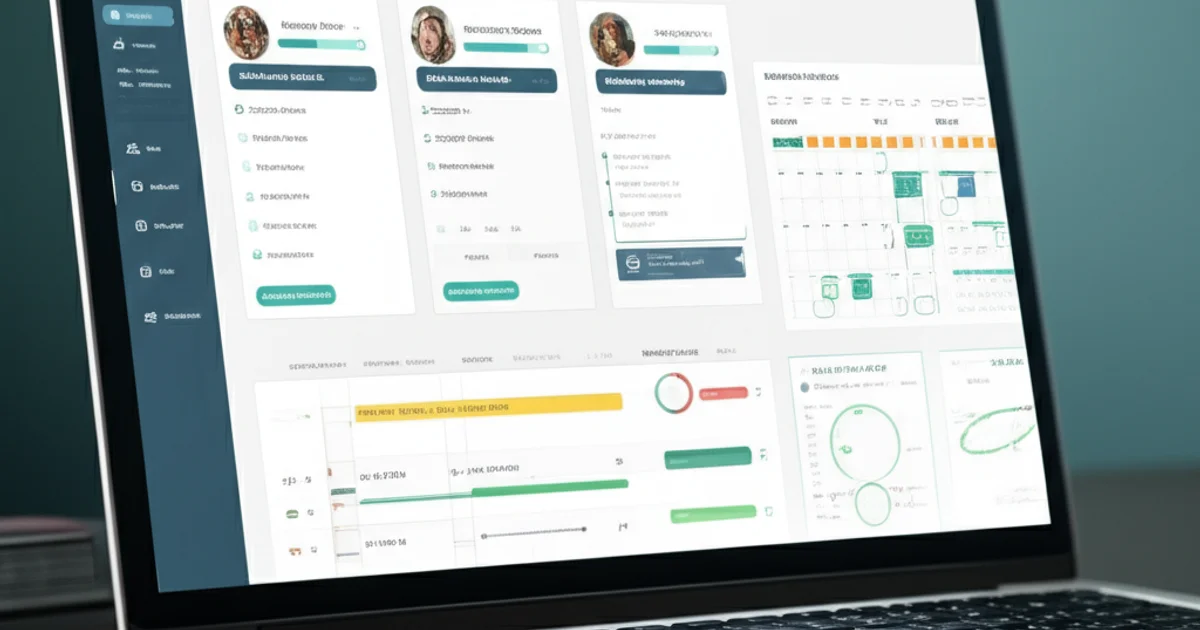
Sober living management software automates the administrative, financial, and compliance operations of recovery residences, halfway houses, and transitional housing programs. For operators managing even a single facility, the right platform eliminates hours of manual work each week while reducing billing errors, strengthening compliance posture, and generating data-driven insights that support better resident outcomes.
This guide provides a comprehensive analysis of the sober living software market. It covers what these platforms do, how they compare across features and pricing, what implementation looks like, and how to evaluate which solution fits your operation. Whether you run one home or oversee a network of facilities, the information here will help you make a well-informed technology decision.
What Is Sober Living Management Software?
Sober living management software is a specialized platform designed to handle the administrative, financial, and operational demands unique to recovery housing. Unlike generic CRM or property management systems, these platforms are purpose-built for the workflows that sober living operators encounter daily.
If you are in the early stages of opening a sober living home, understanding your software options before launch will save significant time and prevent costly tool migrations later.
Core Functional Areas
Resident Management
- Intake and admission processing with customizable workflows
- Bed assignment and housing coordination
- Resident agreements and documentation
- Progress tracking, case notes, and engagement scoring
- Waitlist management with automated notifications
Financial Operations
- Automated billing and rent collection
- Insurance claim processing and verification
- Payment plan creation and installment tracking
- Financial reporting, analytics, and revenue forecasting
- Integration with accounting platforms such as QuickBooks and Xero
Compliance and Safety
- Drug testing scheduling with randomization and results tracking
- NARR standards compliance monitoring with gap analysis
- State certification requirement tracking
- Incident reporting with automated escalation workflows
- Complete audit trail for all activities
Operations Management
- Staff scheduling and task management
- Maintenance request tracking with priority routing
- Communication logs and messaging
- Alumni and referral management
- Mobile access for staff and residents
Why Generic Software Falls Short
Many operators attempt to save money by adapting generic CRM systems or property management platforms. This approach consistently creates problems:
- Missing compliance features: Generic platforms lack drug testing management, NARR standards tracking, and recovery-specific reporting
- Complex billing needs: Recovery housing billing involves insurance coordination, payment plans, and specialized invoicing that generic tools do not support
- Staff workflow mismatch: Systems not designed for house managers, recovery coaches, and peer support staff create friction and low adoption
- Regulatory gaps: No built-in HIPAA compliance or 42 CFR Part 2 protections for substance abuse treatment records
- High customization costs: Adapting a generic platform typically costs $30,000 to $100,000 in setup with 6 to 12 months of implementation time
For a deeper look at the specific tools available, see our software tools overview for sober living homes.
Technology Trends Shaping Recovery Housing Software
The recovery housing technology landscape has evolved rapidly. Understanding these trends helps operators evaluate which platforms are investing in the capabilities that will matter most over the next several years. For a detailed analysis, see our recovery housing technology trends article.
AI-Powered Analytics and Predictive Insights
Leading platforms now incorporate artificial intelligence for practical operational benefits:
- Risk identification: Machine learning models analyze behavioral patterns, meeting attendance, and engagement data to flag residents who may benefit from additional support
- Revenue forecasting: AI-driven occupancy predictions help operators plan staffing and marketing spend
- Automated documentation: Natural language processing assists with case notes, incident reports, and compliance documentation
- Smart scheduling: Algorithms optimize staff schedules based on historical patterns, resident needs, and compliance requirements
Telehealth and Digital Health Integration
Integration of telehealth capabilities into management platforms continues to accelerate:
- Virtual check-ins: Residents can complete daily accountability check-ins via video
- Remote counseling: Integrated telehealth connects residents with licensed counselors directly through the platform
- MAT coordination: Telehealth features support medication-assisted treatment coordination with prescribing physicians
- Digital biomarker monitoring: Wearable device integrations track sleep patterns, physical activity, and stress indicators
Mobile-First Design
Mobile functionality has shifted from a convenience feature to a primary interface requirement:
- Resident self-service: Residents manage payments, submit maintenance requests, and access recovery resources from their phones
- Real-time notifications: Push notifications for house meetings, drug test schedules, rent reminders, and community events
- Offline capabilities: Progressive web apps ensure functionality in areas without reliable internet access
- Staff field access: House managers can manage incidents, check-ins, and documentation from any location
Compliance Automation
Growing regulatory complexity makes automated compliance tracking essential:
- Automated audit trails: Every system action is logged and timestamped for regulatory review
- State-specific rule engines: Software adapts compliance workflows based on state requirements
- Consent management: Digital consent tracking with automated expiration alerts and renewal workflows
- Accreditation readiness: Built-in assessment tools prepare facilities for CARF, Joint Commission, and NARR reviews
Software Platform Comparison
The following analysis covers the primary categories of sober living management software available to operators, based on industry research and operator feedback. For a side-by-side comparison focused specifically on feature differences, see our sober living software comparison.
Purpose-Built Sober Living Platforms
These are platforms designed specifically for the recovery housing market. They understand the unique workflows, compliance requirements, and billing complexities that operators face.
Typical capabilities:
- Resident lifecycle management from intake through alumni tracking
- Automated billing with insurance coordination and payment plan support
- Drug testing scheduling, randomization, and chain-of-custody documentation
- NARR compliance monitoring with gap analysis and audit readiness
- Mobile apps for both staff and residents
- Reporting dashboards with customizable KPIs
- Integration with accounting, EHR, and communication platforms
- AI-powered analytics for occupancy optimization and risk identification
Pricing range: $99 to $399 per month per facility, depending on the platform and feature tier
Best for: Any recovery housing operator who wants a system built for their specific workflows without extensive customization
Streamlined and Budget-Focused Platforms
Some platforms prioritize simplicity and affordability over comprehensive feature coverage. These work for operators with straightforward needs who value ease of use.
Typical capabilities:
- Basic resident management with intake workflows
- Simple billing and online payment collection
- Drug test scheduling and tracking
- Standard reporting and dashboards
- Limited mobile functionality
- Fewer integration options
Pricing range: $99 to $219 per month per facility
Best for: Single-facility operators with basic administrative needs and tight budgets
Custom-Built Solutions
Large organizations sometimes build proprietary platforms internally or through development firms.
Typical costs:
- Development: $200,000 to $750,000+
- Annual maintenance: $75,000 to $150,000
- Implementation timeline: 12 to 24 months
- Requires dedicated technical staff
Best for: Organizations with budgets exceeding $750,000 for technology, dedicated engineering teams of five or more, and truly unique requirements not met by existing platforms
Adapted Generic Platforms
Some operators attempt to customize generic CRM or property management platforms for sober living use. This approach remains problematic due to increasingly specialized compliance and workflow requirements.
Typical costs:
- Setup: $30,000 to $100,000
- Monthly: $250 to $600+ per user
- Implementation: 6 to 12 months
- Ongoing customization and maintenance required
Common failure points: Missing drug testing management, no NARR compliance features, no 42 CFR Part 2 protections, poor adoption by non-technical house staff, and high ongoing customization costs
Feature Comparison Matrix
The following table compares feature coverage across platform categories. Ratings reflect the depth and quality of each capability area on a 1-to-5 scale.
| Feature Category | Purpose-Built (Full) | Purpose-Built (Basic) | Custom-Built | Adapted Generic |
|---|---|---|---|---|
| Admissions CRM | 5/5 | 3/5 | 5/5 | 2/5 |
| Automated Billing | 5/5 | 3/5 | 4/5 | 1/5 |
| Housing Management | 5/5 | 3/5 | 4/5 | 2/5 |
| Compliance Tracking | 5/5 | 2/5 | 4/5 | 1/5 |
| Mobile App | 5/5 | 2/5 | 2/5 | 1/5 |
| Reporting and Analytics | 5/5 | 2/5 | 5/5 | 2/5 |
| AI Analytics | 4/5 | 1/5 | 3/5 | 1/5 |
| Telehealth Integration | 4/5 | 0/5 | 3/5 | 1/5 |
| Customer Support | 5/5 | 3/5 | 1/5 | 2/5 |
| Implementation Speed | 4/5 | 5/5 | 1/5 | 2/5 |
| Value for Money | 5/5 | 3/5 | 1/5 | 1/5 |
Pricing Tiers and Total Cost of Ownership
Monthly subscription price is only one component of what software actually costs. The table below compares total cost of ownership over three years across platform categories.
| Cost Component | Purpose-Built (Full) | Purpose-Built (Basic) | Custom-Built | Adapted Generic |
|---|---|---|---|---|
| Monthly Software | $199-$399/facility | $99-$219/facility | N/A | $250-$600/user |
| 3-Year Software Total | $7,164-$14,364 | $3,564-$7,884 | N/A | $9,000-$21,600/user |
| Implementation | $0 (included) | $0-$1,500 | $200,000-$750,000 | $30,000-$100,000 |
| Training | $0 (included) | $0-$500 | Included in dev | $5,000-$15,000 |
| Annual Maintenance | Included | Included | $75,000-$150,000 | $10,000-$25,000 |
| 3-Year Total | $7,164-$14,364 | $3,564-$9,884 | $425,000-$1,200,000 | $64,000-$196,600 |
ROI Framework for Recovery Housing Software
The financial case for purpose-built software is strongest when measured against both revenue gains and cost reductions. The following framework, based on a 24-bed facility, illustrates the typical return:
Revenue Improvements:
- Improved occupancy (85% to 93% through better lead management): +$24,960 annually
- Faster billing cycles and reduced accounts receivable days: +$18,200 annually
- Reduced write-offs through automated collections: +$9,600 annually
- Higher referral conversion through CRM automation: +$7,200 annually
- Total estimated revenue increase: $59,960 annually
Cost Reductions:
- Administrative time reduction (20 hours per week at $28 per hour): $29,120 annually
- Reduced billing errors and rework: $7,200 annually
- Automated late fee collection: $5,400 annually
- Reduced compliance audit preparation time: $4,800 annually
- Total estimated cost savings: $46,520 annually
Net Annual Benefit: $101,692 against a software investment of approximately $4,788 per year
These figures represent aggregated outcomes from operators running facilities of similar size. Individual results vary based on current operational efficiency, occupancy rates, and local market conditions. For guidance on which metrics to track, see our KPIs and metrics guide for sober living homes.
Implementation Guide
Successful software implementation follows a structured four-phase approach. Rushing through these phases is the most common cause of poor adoption and underperformance. For a real-world example of how one operator approached this process, see our technology adoption case study.
Phase 1: Planning (Weeks 1-2)
Define Requirements
- Document current pain points and administrative bottlenecks
- Separate must-have features from nice-to-have capabilities
- Establish budget and timeline constraints
- Assess staff technical capabilities and training needs
- Review state-specific licensing requirements that affect software needs
Align Stakeholders
- Secure buy-in from the management team with ROI projections
- Involve key staff in the selection process to increase adoption
- Define success metrics and measurable goals
- Plan your change management approach
Phase 2: Evaluation and Selection (Weeks 3-4)
Trial Multiple Platforms
- Use free trials (most offer 14 to 30 days) with real operational data
- Involve multiple staff members across different roles in testing
- Document pros and cons against your requirements list
- Test mobile functionality with real field scenarios
Conduct Reference Checks
- Speak with current customers at similar-sized facilities
- Verify uptime and reliability claims
- Evaluate customer support responsiveness during the trial period
- Validate feature claims with hands-on testing rather than demo walkthroughs
Phase 3: Implementation (Weeks 5-8)
Data Migration
- Export current resident, financial, and compliance data
- Clean and normalize data before import
- Test the import process with a subset before full migration
- Maintain backup access to legacy systems for 30 days minimum
Staff Training
- Schedule comprehensive training sessions for each user role
- Create quick-reference guides for daily workflows
- Identify super-users as internal champions and first-line support
- Plan ongoing training cadence for new features and new hires
Go-Live
- Start with a pilot group or single facility before full rollout
- Monitor usage closely for the first two weeks
- Maintain a rapid response channel for staff questions and issues
- Expand the rollout once the pilot is stable
Phase 4: Optimization (Weeks 9-12)
Fine-Tuning
- Adjust workflows based on staff feedback
- Customize reports and dashboards for each role
- Activate additional integrations as needed
- Optimize automation rules and alert thresholds
Performance Monitoring
- Track key metrics against your pre-implementation baseline
- Monitor user adoption rates across staff roles
- Measure efficiency gains and document ROI achievements
- Report results to stakeholders to reinforce the investment value
Compliance and Security Considerations
Compliance is not optional in recovery housing, and it extends beyond basic data security. Your software must support multiple overlapping regulatory frameworks.
HIPAA Compliance
All platforms handling protected health information must meet HIPAA requirements. The depth of compliance implementation varies significantly across vendors.
Key requirements to verify:
- Data encryption at rest (AES-256) and in transit (TLS 1.3)
- Role-based access controls with multi-factor authentication
- Comprehensive audit logging and monitoring
- Signed Business Associate Agreement (BAA)
- Documented breach notification procedures
- SOC 2 Type II certification (indicates independent security audit)
- Annual penetration testing by third-party firms
42 CFR Part 2 Compliance
Federal regulations governing substance use disorder treatment records impose protections beyond standard HIPAA:
- Granular consent controls: Consent must be specific to each disclosure recipient and purpose
- Limited disclosure permissions: Records cannot be shared without explicit, documented patient consent
- Enhanced audit trails: Every access to protected records must be logged with timestamp and purpose
- Redisclosure restrictions: Recipients of records must be notified they cannot further disclose without separate consent
According to SAMHSA, these protections exist to encourage individuals to seek treatment without fear that their records will be disclosed. Your software platform must enforce these restrictions at the system level, not rely on manual staff compliance.
State-Specific Requirements
Recovery housing regulations vary by state. Your platform should adapt to your jurisdiction’s specific requirements:
- Background check tracking and renewal management
- Staff certification monitoring with expiration alerts
- Incident reporting with state-specific documentation
- Financial record keeping for state audits
- Resident rights documentation and acknowledgment tracking
- Insurance requirements documentation and verification
Mobile Capabilities Assessment
Mobile functionality is essential for modern recovery housing operations. Staff need access while conducting rounds, managing incidents, and working across multiple facilities. Residents expect digital self-service for payments, maintenance requests, and communication.
Staff Mobile Requirements
Evaluate platforms against these staff-facing mobile capabilities:
- Complete resident management with full read and edit access
- Incident reporting with photo and video documentation
- Drug test result entry with chain-of-custody tracking
- Maintenance request creation, assignment, and status updates
- Real-time messaging, alerts, and push notifications
- Daily briefings and prioritized task lists
- Offline mode with automatic synchronization when connectivity returns
Resident Mobile Requirements
Resident-facing mobile features improve engagement and reduce staff administrative burden:
- Rent payment processing with multiple payment method support
- Maintenance request submission with photo uploads
- House announcements and community updates
- Goal tracking and recovery milestone recognition
- Community messaging and peer support
- Meeting and appointment scheduling
- Digital accountability check-in
Integration Requirements
Modern sober living operations require software that connects with other systems across financial, communication, healthcare, and property management domains.
Financial Systems
- Accounting platforms (QuickBooks, Xero)
- Payment processors (Stripe, Square)
- Banking integration for ACH and direct debit
- Insurance billing platforms and clearinghouses
Communication Tools
- Email marketing platforms
- SMS messaging services
- Video conferencing for telehealth
- Website contact form integration
Healthcare Systems
- Electronic health records (EHR)
- Telehealth platforms
- Laboratory systems for drug testing
- State prescription drug monitoring programs (PDMP)
Property Management
- Maintenance request systems
- Smart lock and security system integration
- Utility management platforms
- IoT sensor monitoring for facility safety
When evaluating integration capabilities, ask vendors about the number of pre-built connectors, availability of a documented API, webhook support for real-time data synchronization, and connector compatibility with platforms like Zapier or Make.
Choosing the Right Platform for Your Operation
Single Facility (1-2 Homes, Under 25 Beds)
Even at this scale, purpose-built software delivers measurable value through time savings, billing accuracy, and compliance readiness. Budget options work if your needs are genuinely basic, but operators planning to grow within one to three years benefit from starting on a comprehensive platform to avoid migration costs later.
Key evaluation criteria:
- Core feature coverage for your daily workflows
- Ease of use for staff with varying technical comfort levels
- Quality of customer support during implementation
- Scalability if you plan to add homes
Mid-Size Operation (3-10 Homes, 25-100 Beds)
At this scale, automation features deliver significant and measurable ROI. Comprehensive compliance tracking becomes essential for maintaining consistency across locations. Advanced reporting supports data-driven growth decisions. Multi-facility management capability eliminates operational silos.
Key evaluation criteria:
- Multi-facility management and centralized reporting
- Workflow automation depth and customization
- Advanced compliance tracking across jurisdictions
- Integration capabilities with your existing financial and clinical systems
Large Organization (10+ Homes, 100+ Beds)
Enterprise-scale operations require platforms designed for organizational complexity. AI analytics become increasingly valuable with larger data sets. Dedicated account management and priority support minimize operational risk.
Key evaluation criteria:
- Enterprise-grade security and compliance infrastructure
- AI-powered analytics and business intelligence
- Dedicated customer success management
- API capabilities for custom integrations
- Multi-jurisdictional compliance automation
For guidance specific to halfway house operations, see our halfway house management software guide. For broader recovery residence technology considerations, our recovery residence software overview covers additional factors.
Common Implementation Mistakes
Insufficient Planning
Rushing into software selection without requirements analysis leads to misaligned expectations and poor outcomes. Invest two to three weeks in defining needs and involving all stakeholders before evaluating platforms.
Inadequate Staff Training
Poor adoption due to insufficient training means operators use only 20 to 30 percent of available features. Build comprehensive initial training into your implementation timeline and schedule quarterly refreshers.
Data Migration Shortcuts
Lost or corrupted data during transition from spreadsheets or legacy systems creates operational disruption. Test migration with a data subset first and maintain parallel system access for at least 30 days.
Price-Only Decision Making
Choosing based solely on monthly cost while missing critical features costs far more in lost efficiency and manual workarounds. Evaluate total cost of ownership and projected ROI, not just the subscription price.
Skipping Mobile Testing
Discovering mobile limitations after committing to a platform forces staff back to desktop-only workflows. Test mobile functionality rigorously during trial periods with actual field scenarios.
Ignoring Integration Needs
Selecting a platform that cannot connect with your accounting, EHR, or communication systems creates data silos and duplicate entry. Map your integration requirements before vendor evaluation.
Getting Started
This Week
- Document your requirements: List current pain points, time-consuming processes, and compliance gaps
- Identify must-have features: Use the feature comparison matrix in this guide as a starting framework
- Set budget parameters: Include implementation, training, and integration costs alongside subscription fees
- Request free trials: Most platforms offer 14 to 30 days of full-feature access
Next 30 Days
- Test with real workflows: Evaluate each platform using actual operational data and daily processes
- Involve staff across roles: Get input from house managers, billing staff, compliance officers, and leadership
- Calculate projected ROI: Use the framework in this guide adapted to your facility size and current costs
- Check references: Speak with operators at similar-sized facilities about their experience with each platform
Making the Decision
Score each platform against your documented requirements. Weight factors by importance to your operation. Consider long-term growth plans and scalability alongside current needs. Factor in vendor stability, support quality, innovation trajectory, and the total cost of ownership over three years.
The right software investment transforms recovery housing operations from reactive administration to proactive management. The data consistently shows that operators using purpose-built platforms achieve better financial outcomes, stronger compliance posture, and more time available for what matters most: supporting residents in their recovery.
Ready to evaluate your options? Start a free trial to see how purpose-built sober living management software works with your actual workflows, or schedule a consultation to discuss your specific operational needs.
Disclaimer: This guide is for informational purposes only and does not constitute legal, financial, or clinical advice. Compliance requirements vary by state and facility type. Consult qualified professionals for guidance specific to your situation.
Frequently Asked Questions
What is sober living management software?
Sober living management software is a specialized platform built for recovery housing operators. It automates resident intake, billing, drug test scheduling, NARR compliance tracking, and day-to-day operations so staff can spend less time on paperwork and more time supporting residents.
How much does sober living management software cost?
Pricing varies by platform and feature set. Budget options start around $99 per month per facility with basic functionality, mid-tier platforms range from $139 to $279 per month, and comprehensive solutions with advanced automation and AI analytics run $199 to $399 per month. Implementation and training costs should also be factored into total cost of ownership.
What features should I look for in sober living software?
Essential features include resident management with intake workflows, automated billing and rent collection, drug testing scheduling and results tracking, NARR compliance monitoring, mobile access for staff, reporting and analytics, and integration with accounting platforms. Advanced capabilities to evaluate include AI-powered analytics, telehealth integration, resident self-service portals, and multi-facility management.
Is sober living management software HIPAA compliant?
Leading platforms maintain HIPAA compliance through AES-256 data encryption, role-based access controls, multi-factor authentication, comprehensive audit logging, and Business Associate Agreements. Additionally, platforms handling substance abuse records must comply with 42 CFR Part 2, which imposes stricter consent and disclosure requirements. Always verify compliance certifications and request documentation before purchasing.
How long does it take to implement sober living software?
Typical implementation takes four to eight weeks, covering planning, data migration, staff training, and go-live. Complexity increases with the number of facilities and volume of historical data. Most platforms offer dedicated implementation support, and some include data migration assistance at no additional cost.
Can sober living software help with NARR certification?
Yes. Purpose-built platforms include NARR standards compliance monitoring with gap analysis, automated audit trails, staff certification tracking with renewal alerts, and documentation management. These features streamline the certification process and help operators maintain compliance between audits.
Why not use generic CRM or property management software instead?
Generic platforms like Salesforce or AppFolio lack recovery-specific features such as drug testing management, NARR compliance tracking, 42 CFR Part 2 protections, and specialized billing workflows. Operators who attempt to customize generic tools typically spend $30,000 to $100,000 on setup, face 6 to 12 month implementation timelines, and still end up with gaps that require manual workarounds.
What ROI can operators expect from sober living software?
Recovery housing operators using comprehensive management software commonly report 30 to 40 percent revenue increases through improved occupancy and faster billing cycles, along with 50 to 60 percent reductions in administrative time. For a 24-bed facility, this can translate to over $100,000 in combined annual revenue gains and cost savings against a software investment of under $5,000 per year.
Purpose-built software for sober living
Stop using spreadsheets and generic tools. Get software designed specifically for recovery residences.
Related Articles
Recovery Housing Software Guide: Complete Platform Comparison for Operators
Recovery housing software helps operators manage compliance, billing, and residents across sober living homes, halfway houses, and transitional housing programs.

Sober Living Software Comparison: Top Platforms for Recovery Housing Operators
Compare the leading sober living software platforms side by side with feature matrices, pricing models, and selection criteria for recovery housing operators.

Does HIPAA Apply to Sober Living Homes? Compliance Guide [2026]
HIPAA may or may not apply to your sober living home. Learn when HIPAA requirements kick in, best practices for resident privacy, and compliance tips for operators.