
Recovery Residence Software: Complete Management Guide [2026]
Recovery residence software streamlines operations, billing, compliance, and resident management. Compare features and find the right solution for your recovery housing.
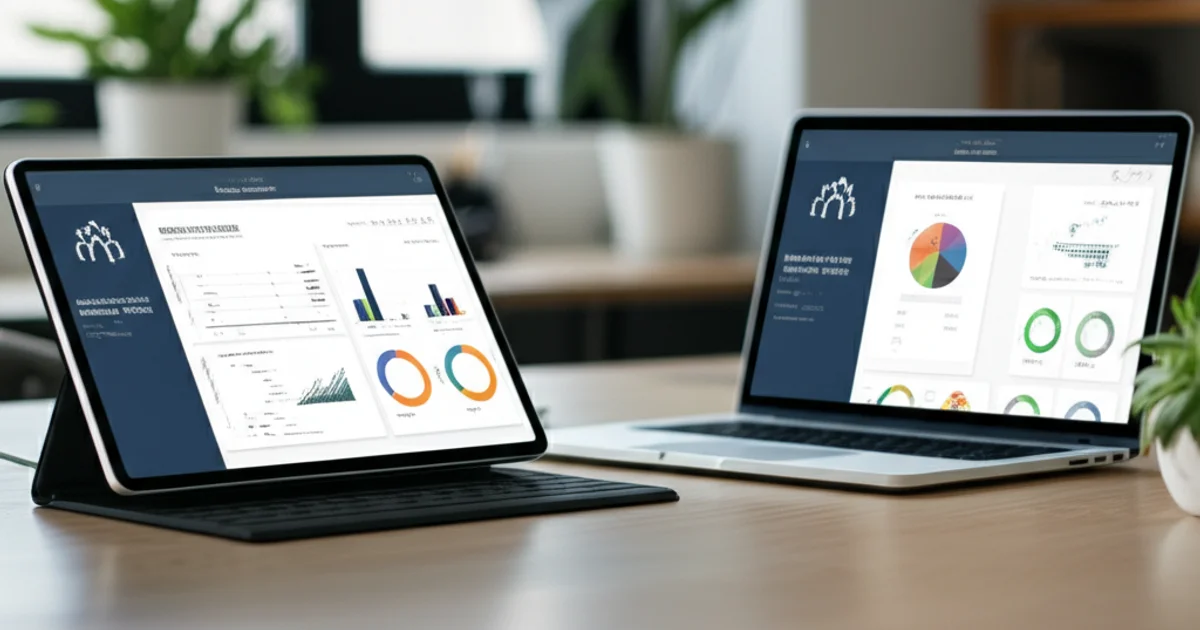
Recovery Residence Software: Complete Management Guide [2026]
Running a recovery residence without specialized software is like managing a hospital with paper charts and spreadsheets. Your staff spends hours on administrative tasks that should take minutes, billing errors cost you money, and compliance documentation gaps put your certification at risk.
Recovery residence software solves these problems by automating the operational, financial, and compliance aspects of running recovery housing. The right platform reduces administrative time by 50-70%, improves billing collection rates, and maintains audit-ready compliance documentation automatically.
This guide covers everything you need to know about recovery residence software: what it does, key features to evaluate, how to choose the right platform, and implementation best practices that ensure success.
What is Recovery Residence Software?
Recovery residence software is a specialized management platform built specifically for sober living homes, halfway houses, and transitional housing operations. Unlike generic property management or CRM systems, recovery residence software addresses the unique operational needs of addiction recovery housing.
Core Functions
Resident Management - Complete resident lifecycle from admission to discharge, including intake processing, bed assignments, progress tracking, and care coordination across your team.
Financial Operations - Automated billing, rent collection, payment plan management, insurance processing, and financial reporting designed for the complexity of recovery housing payments.
Compliance and Safety - Drug testing schedules and results tracking, NARR standards compliance monitoring, incident reporting, and audit trail documentation.
Operational Efficiency - Staff scheduling, task management, maintenance tracking, and communication logs that keep everyone coordinated.
Why Generic Software Fails for Recovery Housing
Many operators try to save money using generic CRM systems like Salesforce, property management platforms like AppFolio, or cobbled-together spreadsheet systems. This approach consistently creates problems:
Missing compliance features: Generic platforms lack drug testing management, NARR standards tracking, and recovery-specific reporting that auditors and certifying bodies require.
Complex billing gaps: Recovery housing billing involves family member payments, insurance coordination, payment plans, and scenarios that generic invoicing systems can’t handle properly.
Staff workflow mismatch: Property management software is designed for landlords and maintenance staff, not house managers, peer support specialists, and recovery coaches who need different tools and information.
Regulatory blind spots: Without built-in HIPAA compliance and 42 CFR Part 2 protections, you risk violations and liability exposure.
Ongoing customization costs: Making generic software work for recovery housing requires extensive customization ($25,000-75,000 or more) plus ongoing maintenance as your needs evolve.
Recovery residence software eliminates these problems by providing purpose-built features that work correctly from day one.
Key Features for Recovery Housing Operators
When evaluating recovery residence software, focus on these essential feature categories that directly impact your operational success.
Resident Management and Intake
Effective resident management starts with streamlined intake and continues through the entire recovery journey.
Digital Intake Workflows
- Online intake forms that prospective residents or referral sources can complete before arrival
- Document collection and verification (ID, insurance cards, consent forms)
- Automated waitlist management with priority scoring
- Real-time bed availability tracking across all properties
360-Degree Resident Profiles
- Comprehensive records including personal, medical, and program information
- Recovery milestone tracking and progress documentation
- Treatment plan goals with measurable outcomes
- Family contact information and communication preferences
Care Coordination
- Multi-disciplinary notes accessible to authorized staff
- Task assignments and follow-up reminders
- Discharge planning workflows with aftercare documentation
- Alumni program enrollment and tracking
Billing and Rent Collection
Recovery housing billing is uniquely complex. Family members often pay on behalf of residents, insurance may cover part of the cost, and payment plans are common. Your software must handle all these scenarios efficiently.
Automated Invoice Generation
- Recurring rent invoices generated automatically
- Prorated calculations for partial-month stays
- Additional service charges (drug testing, program fees, deposits)
- Invoice delivery via email with online payment links
Multi-Party Payment Support
- Family portal allowing parents to view invoices and pay online
- Split payment arrangements between residents and family members
- Insurance claim processing and reimbursement tracking
- Scholarship or grant fund application to resident accounts
Collection Automation
- Automated payment reminders before and after due dates
- Late fee calculation and application based on your policies
- Payment plan setup with scheduled installments
- Real-time ledger visibility for all stakeholders
Financial Reporting
- Revenue tracking by property, resident, or payer type
- Outstanding balance reports and aging analysis
- Collection rate metrics and trend analysis
- Export capabilities for accounting software integration
Drug Testing Documentation
Drug testing is a critical accountability measure in most recovery residence programs. Software must handle scheduling, result tracking, and compliance reporting efficiently.
Testing Schedule Management
- Random or scheduled testing protocols by resident
- Automated reminders for upcoming tests
- Support for various testing methodologies (urine, oral, breathalyzer)
- Missed test documentation and escalation workflows
- Secure result recording with chain of custody documentation
- Positive result workflows with appropriate notifications
- Historical testing records for compliance reporting
- Privacy-compliant storage meeting HIPAA and 42 CFR Part 2 requirements
Compliance Reporting
- Testing frequency summaries by resident and property
- Compliance rate metrics for program evaluation
- Audit-ready documentation for certifying bodies
- Result trend analysis for program improvement
Compliance Tracking
Recovery residences face various compliance requirements depending on state regulations, certification standards, and funding sources. Software should help you stay compliant without manual tracking.
NARR Standards Compliance
- Level certification tracking and documentation
- Required policy and procedure checklists
- Staff training and certification monitoring
- Quality assurance indicators and reporting
State Regulatory Requirements
- State-specific licensing requirement tracking
- Background check documentation for staff and residents
- Required inspection scheduling and results
- Incident reporting that meets state mandates
Documentation and Audit Trail
- Comprehensive activity logging for all system actions
- Role-based access controls protecting sensitive information
- Document storage with version history
- Audit-ready exports for external reviews
Communication Tools
Coordinating communication across staff, residents, families, and referral partners is essential for effective recovery housing operations.
Internal Communication
- Communication logs documenting all resident interactions
- Team messaging and shift handoff notes
- Automated alerts for critical events (positive tests, incidents, move-outs)
- Task assignments with completion tracking
Family Communication
- Family portal with appropriate information access
- Automated updates on payment status
- Consent-controlled progress sharing
- Direct messaging capabilities
Referral Partner Communication
- Treatment center and healthcare provider coordination
- Referral source tracking and relationship management
- Outcome reporting for referral partners
- Marketing and outreach tracking
Reporting and Analytics
Data-driven decision making requires comprehensive reporting that goes beyond basic record keeping.
Operational Dashboards
- Real-time occupancy metrics across all properties
- Revenue and collection performance tracking
- Admission pipeline and conversion rates
- Staff productivity and task completion rates
Outcome Tracking
- Length of stay analysis
- Successful completion rates
- Relapse and readmission tracking
- Program effectiveness metrics
Financial Analytics
- Revenue per bed and occupancy trends
- Payment source analysis
- Collection efficiency metrics
- Budget variance reporting
Benefits of Recovery Residence Software
Implementing the right software delivers measurable improvements across multiple aspects of your operation.
Time Savings
Administrative Efficiency Recovery residence software automates routine tasks that consume staff time:
- Automated billing reduces invoice preparation from hours to minutes
- Digital intake eliminates manual data entry and filing
- Automated reminders reduce time spent chasing payments and appointments
- Centralized documentation eliminates searching through paper files
Facilities typically report 50-70% reduction in administrative time after implementing comprehensive software. For a facility spending 20 hours weekly on administration, that translates to 10-14 hours reclaimed for resident care and business development.
Staff Coordination Shared systems eliminate redundant communication and ensure everyone has current information:
- House managers see real-time bed availability without calling the office
- Case managers access resident histories without tracking down paper files
- Leadership monitors operations remotely without constant check-ins
Reduced Billing Errors
Manual billing processes are error-prone, leading to undercharging, overcharging, and collection delays.
Accuracy Improvements
- Automated calculations eliminate math errors on invoices
- Prorated rent calculated correctly every time
- Late fees applied consistently per policy
- Payment credits allocated properly
Collection Improvements
- Online payment options increase collection rates by making payment convenient
- Automated reminders reduce forgotten payments
- Family portal access improves payment when parents are paying
- Payment plan automation ensures installments are tracked correctly
Facilities using automated billing commonly report 20-40% improvements in collection rates and significant reduction in payment-related disputes.
Better Compliance Documentation
Compliance gaps create certification risk and audit stress. Software maintains documentation automatically.
Continuous Compliance
- Drug testing documentation captured in real-time as tests occur
- Incident reports filed immediately using mobile devices
- Staff certifications tracked with expiration alerts
- Required policies stored and accessible for audits
Audit Readiness
- Export comprehensive documentation packages for auditors
- Demonstrate compliance trends over time
- Eliminate last-minute scrambles to locate records
- Reduce audit preparation time from days to hours
Improved Resident Outcomes Tracking
Recovery residence software enables outcome measurement that demonstrates program effectiveness and supports quality improvement.
Measurable Outcomes
- Track completion rates and identify factors correlated with success
- Monitor length of stay trends and appropriate discharge timing
- Document recovery milestones and progress over time
- Identify residents who may need additional support based on data patterns
Program Improvement
- Data-driven insights for program refinement
- Benchmark comparison across properties
- Evidence base for grant applications and marketing
- Continuous quality improvement documentation
How to Choose Recovery Residence Software
Selecting the right platform requires evaluating your specific needs against available options. Use this framework to make an informed decision.
Questions to Ask Vendors
Implementation and Support
- What does the implementation process look like, and how long does it typically take?
- Is data migration from our current systems included?
- What training is provided, and in what format?
- What ongoing support channels are available (phone, chat, email)?
- What are typical response times for support requests?
Features and Functionality
- Can we see a demonstration using scenarios relevant to our operation?
- How does the platform handle [specific feature you need]?
- What customization options are available?
- How frequently are new features released?
- Can we speak with current customers similar to our operation?
Technical and Security
- What compliance certifications does the platform hold (HIPAA, SOC 2)?
- Where is data stored, and what backup procedures are in place?
- What happens to our data if we cancel?
- What integrations are available with other tools we use?
- Is there an API for custom integrations?
Pricing and Contracts
- What is the full pricing structure including all fees?
- Are there setup or implementation fees?
- What contract terms are available (monthly, annual)?
- What happens if we need to add or remove properties?
- Is there a free trial to evaluate before committing?
Must-Have vs. Nice-to-Have Features
Must-Have Features - Essential for any recovery residence operation:
- Resident management with intake workflows
- Automated billing and payment tracking
- Drug testing schedule and result documentation
- Basic compliance tracking and reporting
- HIPAA-compliant data security
- Mobile access for staff
Nice-to-Have Features - Valuable but not essential for all operations:
- Advanced automation and workflow customization
- Insurance billing and claims management
- Family portal with self-service payment
- Advanced analytics and outcome tracking
- Integration with accounting software
- Custom reporting capabilities
- Multi-facility management features
Prioritize must-have features when evaluating platforms. Nice-to-have features become more important as your operation grows and matures.
Integration Considerations
Consider how recovery residence software will work with your existing technology stack.
Common Integration Needs
- Accounting software (QuickBooks, Xero) for financial consolidation
- Payment processing (existing merchant accounts)
- Email and communication tools
- Healthcare provider systems for referral coordination
- Background check services for staff screening
Integration Approaches
- Built-in integrations require minimal setup
- API access enables custom integrations
- Export capabilities allow manual data transfer
- Lack of integration options limits flexibility
Ask vendors specifically about integrations with tools you currently use or plan to adopt.
Pricing Models
Recovery residence software uses several pricing structures. Understanding each helps you compare total cost of ownership.
Per-Bed Pricing
- Cost scales with your capacity
- Predictable pricing as you grow
- May be expensive for larger facilities
Per-Facility Flat Rate
- Fixed monthly cost regardless of bed count
- Advantageous for larger properties
- May include tiered pricing for different feature levels
Per-User Pricing
- Cost based on number of staff accounts
- Can become expensive with larger teams
- May discourage adding users who could benefit
Tiered Feature Pricing
- Basic, standard, and premium tiers with different capabilities
- Allows starting small and upgrading as needed
- Important to understand what’s included at each tier
Calculate total cost of ownership including implementation, training, and any add-on fees beyond base subscription pricing.
Implementation Best Practices
Successful software implementation requires planning beyond simply selecting a platform.
Data Migration
Most facilities have existing data in spreadsheets, paper files, or previous software that needs to transfer to the new system.
Pre-Migration Planning
- Inventory all data sources (spreadsheets, paper files, previous software)
- Clean and standardize data before migration
- Decide what historical data to migrate vs. start fresh
- Identify data quality issues that need correction
Migration Execution
- Work with vendor support for complex migrations
- Test migrated data thoroughly before go-live
- Maintain backup of original data
- Plan for parallel operation during transition
Post-Migration Verification
- Verify resident records transferred correctly
- Confirm financial balances match previous system
- Test reporting with historical data
- Address any discrepancies immediately
Staff Training
Software is only effective if staff know how to use it properly.
Training Planning
- Identify all user roles and their specific training needs
- Schedule training sessions at convenient times
- Plan for new employee onboarding process
- Create internal documentation and quick reference guides
Training Delivery
- Hands-on practice with real scenarios
- Role-specific training focusing on relevant features
- Multiple sessions to reinforce learning
- Recording sessions for future reference
Ongoing Development
- Regular check-ins to address questions
- Updates when new features release
- Super-user identification for internal support
- Feedback collection for process improvement
Rollout Strategies
Choose a rollout approach that fits your organization’s risk tolerance and complexity.
Big Bang Rollout
- All properties and users switch simultaneously
- Faster overall implementation
- Higher short-term disruption risk
- Requires comprehensive preparation
Phased Rollout
- Start with pilot property or department
- Learn and adjust before broader deployment
- Longer overall timeline
- Lower risk but extended parallel operations
Feature-Based Rollout
- Implement core features first
- Add additional capabilities over time
- Allows staff to build competence gradually
- May miss integration benefits of full implementation
For most recovery residences, a phased approach starting with a pilot property or core features reduces risk while building organizational capability.
ROI Analysis: What to Expect
Investing in recovery residence software should deliver measurable return. Here’s a realistic analysis for a typical 24-bed facility.
Time Savings Value
Administrative Efficiency Gains
- Invoice preparation: 4 hours/week saved = 208 hours/year
- Payment tracking: 3 hours/week saved = 156 hours/year
- Drug test scheduling: 2 hours/week saved = 104 hours/year
- Compliance documentation: 2 hours/week saved = 104 hours/year
- Total: 572 hours/year saved
At $25/hour fully loaded labor cost: $14,300 annual value
Revenue Improvement
Collection Rate Improvement
- Improved collection rate from 85% to 92% = 7% improvement
- Average monthly revenue $36,000 x 7% = $2,520/month improvement
- Annual revenue improvement: $30,240
Occupancy Optimization
- Better bed availability visibility and faster admission processing
- Occupancy improvement from 88% to 92% = 4% improvement
- Revenue per bed $1,500/month x 24 beds x 4% = $1,440/month
- Annual revenue improvement: $17,280
Cost Avoidance
Compliance Risk Reduction
- Reduced audit preparation time and stress
- Lower risk of certification issues or fines
- Better documentation for legal protection
- Estimated value: $5,000-15,000/year
Total ROI Calculation
Annual Benefits
- Time savings: $14,300
- Collection improvement: $30,240
- Occupancy improvement: $17,280
- Compliance value: $10,000 (conservative)
- Total annual benefit: $71,820
Annual Investment
- Software subscription: $4,800 ($400/month)
- Implementation (amortized): $2,000
- Total annual cost: $6,800
Net Annual Benefit: $65,020 ROI: 956%
These figures are representative for a well-implemented system at a 24-bed facility. Your specific results will vary based on current operational efficiency, pricing, and implementation success.
Common Implementation Mistakes to Avoid
Learn from others’ mistakes to ensure your implementation succeeds.
Mistake 1: Insufficient Planning
The Problem: Rushing into implementation without clearly defining requirements, workflows, and success metrics.
The Solution: Spend adequate time on requirements gathering, involve all stakeholders in planning, define measurable goals, and create realistic timelines.
Mistake 2: Inadequate Training
The Problem: Assuming staff will figure out the software on their own, leading to underutilization and resistance.
The Solution: Budget sufficient time for comprehensive training, create role-specific training programs, identify super-users to support colleagues, and plan for ongoing skill development.
Mistake 3: Ignoring Change Management
The Problem: Focusing only on technology without addressing the human side of change.
The Solution: Communicate the “why” behind the change, involve staff in the selection process, address concerns proactively, celebrate early wins, and provide ongoing support.
Mistake 4: Data Migration Shortcuts
The Problem: Rushing data migration leads to errors, duplicates, and missing information that undermine system value.
The Solution: Allow adequate time for data cleanup before migration, test thoroughly with sample data, verify migrated records systematically, and maintain backup of original data.
Mistake 5: Choosing Based on Price Alone
The Problem: Selecting the cheapest option without evaluating total cost of ownership and feature fit.
The Solution: Calculate true total cost including implementation, training, and productivity impact. Evaluate feature fit against your specific requirements. Consider the cost of limitations and workarounds.
How Sober Living App Can Help
Sober Living App provides comprehensive recovery residence software designed specifically for sober living homes, halfway houses, and transitional housing operations. Our platform includes all the essential features covered in this guide:
Resident Management Complete resident lifecycle management from admission to alumni tracking, with digital intake, progress documentation, and care coordination tools.
Financial Operations Automated billing, invoicing, and payment tracking with family portal access and insurance coordination capabilities.
Compliance and Safety Drug testing management, result tracking, incident documentation, and audit-ready compliance reporting.
Operational Efficiency Dashboard visibility, staff management, task tracking, scheduling, and communication logs that keep your team coordinated.
Security and Compliance HIPAA-compliant platform with role-based permissions, secure file storage, and comprehensive audit trails.
Our implementation team has helped hundreds of recovery residences successfully transition to modern management software. We provide hands-on support, data migration assistance, and training to ensure your success.
Ready to streamline your recovery residence operations?
Start your free 30-day trial and experience the difference purpose-built software makes. No credit card required, and our team is available to answer questions and help you evaluate whether Sober Living App is right for your operation.
Have questions about your specific situation? Contact us for a personalized consultation with our recovery housing specialists.
This guide is updated regularly as the recovery residence software landscape evolves. Last updated: February 2026
Frequently Asked Questions
What is recovery residence software?
Recovery residence software is specialized management technology designed for sober living homes, halfway houses, and recovery housing operations. It handles resident management, billing, drug testing documentation, compliance tracking, and communication - all in one integrated platform built specifically for the recovery housing industry.
How is recovery residence software different from property management software?
Recovery residence software includes features specific to addiction recovery operations that property management software lacks: drug testing schedules and results tracking, NARR compliance monitoring, recovery milestone documentation, family portal access, insurance billing capabilities, and case management tools. Generic property management platforms require extensive customization and still miss critical compliance features.
What does recovery residence software cost?
Recovery residence software typically ranges from $99-399 per month per facility, depending on features and bed count. Entry-level platforms start around $99-149/month for basic functionality, while comprehensive solutions with automation, compliance tracking, and advanced reporting run $199-399/month. Most platforms offer free trials to evaluate before committing.
Can recovery residence software handle insurance billing?
Yes, comprehensive recovery residence software platforms can process insurance claims, track reimbursements, and manage mixed payment scenarios where insurance covers part of the cost while residents or families pay the remainder. Look for platforms with dedicated insurance verification and claims management features.
Is recovery residence software HIPAA compliant?
Reputable recovery residence software platforms are HIPAA compliant and also comply with 42 CFR Part 2 regulations governing substance abuse treatment records. This includes data encryption, access controls, audit logs, and Business Associate Agreements (BAAs). Always verify compliance certifications before selecting a platform.
How long does it take to implement recovery residence software?
Implementation typically takes 4-12 weeks depending on complexity. Single-facility operations with straightforward needs can be up and running in 4-6 weeks. Multi-facility organizations or those requiring extensive data migration and customization may need 8-12 weeks for full implementation.
Can family members access recovery residence software?
Most recovery residence software platforms include family portals where parents or guardians can view invoices, make payments, and receive approved updates about their loved one's progress. This feature simplifies payment collection and keeps families appropriately engaged in the recovery process.
Manage your homes more efficiently
From admissions to discharge, Sober Living App streamlines every aspect of running recovery residences.
Related Articles
Sober Living Management Software: The Complete Guide
Compare the top sober living management software platforms for recovery housing operators. Features, pricing tiers, ROI analysis, and implementation guidance.
Transitional Housing Software Complete Guide: HUD Compliance & Management
Transitional housing software guide with HUD compliance features. Compare platforms for supportive housing, rapid rehousing, and homeless services programs.

Sober Living Home Business Plan Template: Complete Guide for 2026
Free sober living home business plan template with step-by-step instructions. Covers market analysis, financial projections, operations, licensing, and funding strategies for recovery residence startups.