
Transitional Housing Software Complete Guide: HUD Compliance & Management
Transitional housing software guide with HUD compliance features. Compare platforms for supportive housing, rapid rehousing, and homeless services programs.

Transitional Housing Software Complete Guide: HUD Compliance & Management
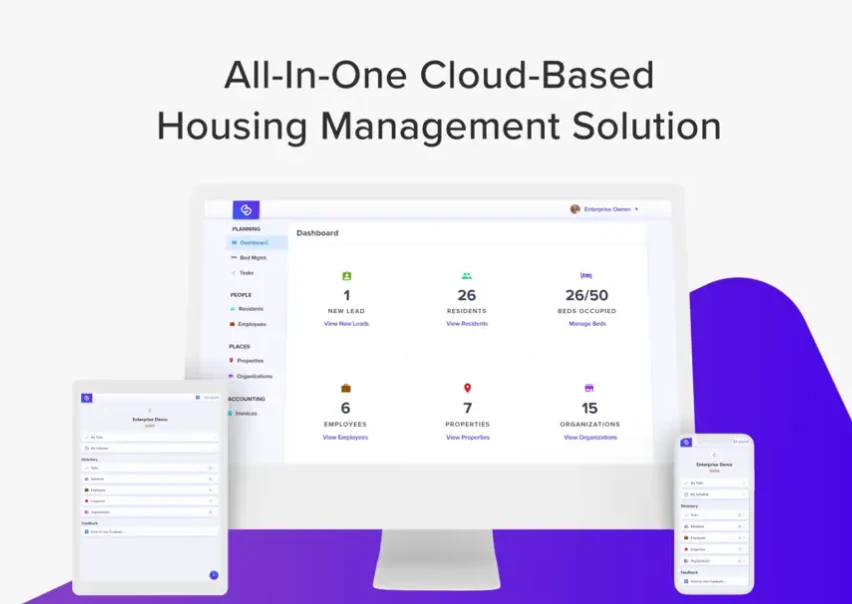
Managing transitional housing programs requires juggling HUD compliance requirements, complex service coordination, and detailed outcome tracking that basic housing software can’t handle. Program administrators spend 50+ hours monthly on manual reporting and case management tasks.
Transitional housing serves as a critical bridge from homelessness to permanent housing, with programs funded by HUD, state agencies, and private foundations. Success depends on effective case management, service linkage, and measurable outcomes that determine continued funding.
This comprehensive guide evaluates every software platform designed for transitional housing operations, analyzing HUD compliance capabilities, case management features, and implementation strategies for supportive housing providers.
Understanding Transitional Housing Programs
Types of Transitional Housing Programs
HUD Transitional Housing Programs
- CoC (Continuum of Care) funded facilities
- ESG (Emergency Solutions Grant) programs
- HOPWA (Housing Opportunities for Persons with AIDS)
- PATH (Projects for Assistance in Transition from Homelessness)
Rapid Rehousing Programs
- Short-term rental assistance
- Housing search and placement services
- Case management and support services
- Financial assistance and budgeting support
Supportive Housing Programs
- Permanent supportive housing (PSH)
- Housing choice voucher programs
- Supportive services for veteran families (SSVF)
- Family unification programs
Specialized Population Programs
- Youth transitional housing
- Domestic violence transitional housing
- Mental health supportive housing
- Substance abuse recovery housing
- Veterans transitional housing
Critical Software Requirements
Unlike standard property management or basic case management systems, transitional housing software must manage:
HUD Compliance and Reporting
- Annual Performance Report (APR) generation
- HMIS data integration and reporting
- Housing first principles documentation
- Coordinated entry system compliance
- Fair housing and accessibility requirements
Service Coordination
- Individual service plan development
- Benefits application and tracking
- Healthcare linkage and coordination
- Employment and education services
- Crisis intervention and emergency response
Housing Assistance Management
- Rental assistance calculation and payment
- Utility assistance tracking
- Security deposit and moving cost assistance
- Housing quality standards inspection
- Lease-up assistance and support
Outcome Measurement
- Housing stability tracking
- Income progression monitoring
- Length of stay analysis
- Permanent housing placement rates
- Return to homelessness prevention
Platform Analysis for Transitional Housing
1. Sober Living App (Behave Health)
Transitional Housing Capabilities: ⭐⭐⭐⭐⭐
HUD Compliance Features:
APR Reporting Automation
- Pre-built APR report templates for all HUD programs
- Automated data collection and calculation
- HMIS integration for seamless data sharing
- Real-time compliance monitoring and alerts
- Multi-program reporting for complex organizations
Service Plan Management
- Individualized service plan creation and tracking
- Goal setting with measurable outcomes
- Service linkage documentation and coordination
- Progress monitoring with automated reminders via the dashboard
- Discharge planning with housing transition support
Housing Assistance Tracking
- Rental assistance calculation and approval workflows
- Payment authorization and tracking systems
- Utility assistance coordination and documentation
- Security deposit and moving cost management
- Housing quality inspection scheduling and results
Program-Specific Configurations:
Transitional Housing Programs:
- 24-month maximum stay tracking
- Transitional housing standards compliance
- Service requirement documentation
- Housing plan development and monitoring
- Permanent housing preparation and placement
Rapid Rehousing Programs:
- Short-term assistance calculation and tracking
- Housing search and placement documentation
- Financial assistance and budgeting tools
- Landlord engagement and relationship management
- Follow-up services and support coordination
Permanent Supportive Housing:
- Long-term housing stability tracking
- Chronic homelessness verification
- Disability documentation and accommodation
- Service intensity adjustment based on needs
- Housing retention support and crisis intervention
Advanced Features:
- Multi-site management for large organizations
- Grant management and fund allocation tracking
- Staff productivity and caseload management
- Mobile access for field-based case managers
- Integration with community service providers
Pricing for Transitional Housing: $249-399/month per program
- Includes HUD-specific training and setup
- HMIS integration and compliance support
- Dedicated customer success manager
- Priority support for reporting deadlines
Customer Case Study: “Managing 5 different HUD programs was a nightmare before Sober Living App. Now our APR reports generate automatically, and we’ve reduced case management documentation time by 40%.” - Program Director, Large Metro CoC
Strengths: ✅ Comprehensive HUD compliance automation ✅ Advanced case management and service coordination ✅ Strong HMIS integration and data sharing ✅ Multi-program support for complex organizations ✅ Proven track record with HUD-funded programs
Considerations: ❌ Higher investment for comprehensive features ❌ Implementation complexity for large multi-program rollouts ❌ May exceed needs of very small programs
2. PlanStreet
Transitional Housing Capabilities: ⭐⭐⭐⭐
HUD-Focused Features:
Core Capabilities:
- HUD compliance tracking and reporting
- Case management and service planning
- Housing assistance calculation and tracking
- Basic HMIS integration
- Grant management and reporting
Program Support:
- Transitional housing program management
- Rapid rehousing assistance tracking
- Permanent supportive housing coordination
- Homeless prevention services
- Family reunification programs
Strengths: ✅ Strong HUD compliance focus ✅ Good case management tools ✅ Reasonable pricing for mid-size programs ✅ Decent HMIS integration ✅ User-friendly interface
Limitations: ❌ Limited customization options ❌ Basic reporting and analytics ❌ No advanced automation features ❌ Limited integration with external services ❌ Basic mobile functionality
Pricing: $50-150 per user per month
- Per-user pricing model
- Basic HMIS integration included
- Standard support and training
Best Fit: Mid-size transitional housing programs with straightforward HUD compliance needs
3. Generic Case Management Platforms
Transitional Housing Capabilities: ⭐⭐
Platform Examples:
- Salesforce Nonprofit Cloud
- Microsoft Dynamics 365
- CiviCRM
- ServiceNow
Why They Fall Short:
Missing HUD-Specific Features:
- No APR reporting automation
- Limited homeless services functionality
- Complex customization required
- No HMIS integration
- Generic housing assistance tracking
Implementation Challenges:
- Extensive customization needed ($50,000-150,000)
- Long implementation timeline (6-18 months)
- High ongoing maintenance costs
- Poor user adoption among housing staff
- Compliance gaps requiring manual processes
When They Might Work:
- Large organizations with dedicated IT staff
- Multi-service agencies needing CRM beyond housing
- Significant customization budget available
- Long-term technology investment strategy
4. Basic Housing Management Software
Transitional Housing Capabilities: ⭐
Platform Examples:
- AppFolio
- Buildium
- Rent Manager
- Yardi
Critical Limitations:
- No HUD compliance features
- No case management capabilities
- Basic tenant management only
- No service coordination tools
- No outcome tracking or reporting
Conclusion: Not suitable for transitional housing programs requiring HUD compliance and case management.
HUD Compliance Requirements and Software Features
Annual Performance Report (APR) Generation
Required Data Elements:
Participant Demographics:
- Age, gender, race, ethnicity
- Household composition and size
- Veteran status and disability information
- Prior living situation and length of homelessness
- Income sources and amounts at entry and exit
Housing and Service Data:
- Length of stay in program
- Exit destination and housing stability
- Service provision and participation rates
- Income changes during program participation
- Employment and benefit acquisition
Software Requirements:
- Automated data collection from case records
- Real-time APR preview and validation
- Error checking and data quality alerts
- Export capabilities for HUD submission
- Historical reporting and trend analysis
HMIS Integration and Data Sharing
Critical Integration Features:
Data Exchange:
- Bi-directional data sync with local HMIS
- Real-time participant information updates
- Service transaction recording
- Exit data and outcome tracking
- Deduplicated participant matching
Privacy and Security:
- HIPAA-compliant data handling
- User permission and access controls
- Audit trail for all data access
- Secure data transmission protocols
- Privacy release tracking and management
Coordinated Entry System Compliance
Required Functionality:
- Vulnerability assessment integration
- Priority listing and referral management
- Housing match and placement tracking
- Program capacity and availability updates
- Outcome measurement and reporting
Fair Housing and Accessibility
Documentation Requirements:
- Reasonable accommodation requests and approvals
- Accessibility feature inventory and matching
- Fair housing training and compliance tracking
- Discrimination complaint handling
- Language access and translation services
Service Coordination and Case Management Features
Individual Service Plan Development
Comprehensive Planning Tools:
Assessment and Goal Setting:
- Standardized assessment integration (VI-SPDAT, F-SPDAT)
- SMART goal development and tracking
- Service need identification and prioritization
- Barrier assessment and intervention planning
- Strength-based planning and resource identification
Service Linkage and Coordination:
- Community resource database integration
- Referral tracking and follow-up management
- Appointment scheduling and reminder systems
- Service provider communication and coordination
- Progress monitoring and plan adjustment
Benefits Application and Support
Comprehensive Benefits Management:
Application Tracking:
- SNAP, TANF, and WIC application assistance
- Medicaid and healthcare enrollment support
- Social Security and SSI application tracking
- Veterans benefits coordination and support
- Childcare and transportation assistance
Document Management:
- Required documentation checklists
- Document upload and storage systems
- Application status tracking and updates
- Appeal process management and support
- Benefit activation and ongoing maintenance
Employment and Education Services
Career Development Support:
Employment Services:
- Job search assistance and tracking
- Resume development and interview preparation
- Skills assessment and training referrals
- Employment placement and retention support
- Income progression monitoring and support
Education Coordination:
- GED and adult education program referrals
- Vocational training and certification tracking
- Higher education enrollment assistance
- Financial aid application support
- Academic progress monitoring and support
Healthcare and Mental Health Coordination
Integrated Health Services:
Healthcare Linkage:
- Primary care provider connection
- Specialty care referral and coordination
- Medication management and compliance
- Mental health and substance abuse treatment
- Dental and vision care coordination
Crisis Intervention:
- Emergency contact and response protocols
- Mental health crisis intervention
- Domestic violence safety planning
- Child protective services coordination
- Emergency medical care and hospitalization
Housing Assistance Management
Rental Assistance Calculation and Payment
Automated Financial Management:
Assistance Calculation:
- Income-based rent calculation
- Fair market rent and payment standard application
- Utility allowance calculation and adjustment
- Security deposit and moving cost determination
- Progressive assistance reduction scheduling
Payment Processing:
- Landlord payment authorization and processing
- Utility company direct payment coordination
- Participant cost-sharing calculation and collection
- Financial assistance tracking in the ledger
- Budget variance monitoring and adjustment
Housing Search and Placement
Comprehensive Housing Support:
- Landlord database and relationship management
- Unit availability tracking and bed matching
- Housing quality standards inspection scheduling
- Lease-up assistance and support
- Move-in coordination and follow-up
Tenant Support:
- Housing search skills development
- Application assistance and documentation
- Credit and background check coordination
- Lease education and review
- Tenant rights and responsibilities training
Housing Retention and Stability
Long-term Success Support:
Stability Services:
- Regular check-ins and support visits
- Crisis intervention and problem-solving
- Landlord mediation and relationship repair
- Emergency assistance and stabilization
- Housing transition planning and preparation
Outcome Tracking:
- Housing retention rate monitoring
- Income progression and stability tracking
- Service engagement and satisfaction measurement
- Community integration and social connection
- Long-term follow-up and support coordination
Implementation Strategy for Transitional Housing
Pre-Implementation Assessment
Program Analysis:
- Current HUD compliance gaps and challenges
- Case management workflow evaluation
- Data collection and reporting assessment
- Staff training and support needs
- Technology infrastructure and capabilities
Stakeholder Engagement:
- Program management and administrative staff
- Case managers and direct service providers
- Participants and community representatives
- HUD representatives and technical assistance providers
- Community partners and service providers
Phase 1: Foundation Setup (Weeks 1-4)
System Configuration:
- HUD program-specific setup and configuration
- User roles and permissions for staff levels
- HMIS integration and data mapping
- Report templates and automation rules
- Security protocols and access controls
Data Migration:
- Current participant information and case files
- Service provision history and outcomes
- Financial assistance and payment records
- Housing placement and retention data
- Staff and training documentation
Phase 2: Training and Testing (Weeks 5-8)
Comprehensive Training Programs:
- Administrative staff on HUD compliance and reporting
- Case managers on service planning and coordination
- Financial staff on assistance calculation and payment
- Management on analytics and program oversight
- Participants on self-service features and access
System Validation:
- HUD reporting accuracy and completeness
- HMIS data integration and synchronization
- Service coordination workflow testing
- Mobile functionality for field-based staff
- Security and privacy compliance verification
Phase 3: Go-Live and Optimization (Weeks 9-12)
Phased Implementation:
- Pilot launch with selected participants and staff
- Monitor HUD compliance and reporting accuracy
- Address issues and optimize workflows
- Expand to full program operations
- Document best practices and continuous improvement
Ongoing Support:
- Daily monitoring during first month
- Weekly optimization and workflow refinement
- Monthly HUD compliance and reporting review
- Quarterly program outcome analysis
- Annual system updates and feature enhancements
ROI Analysis for Transitional Housing Software
Administrative Efficiency Gains
Time Savings Analysis:
HUD Reporting Automation:
- APR preparation: 80 hours saved annually
- HMIS data entry: 20 hours/month saved
- Grant reporting: 40 hours/quarter saved
- Total Administrative Savings: 320 hours annually
Case Management Efficiency:
- Service plan development: 2 hours/participant saved
- Progress monitoring: 1 hour/participant/month saved
- Documentation: 30 minutes/participant/week saved
- Total Case Management Savings: 150+ hours annually per case manager
Program Outcome Improvements
Performance Enhancement:
Housing Placement Success:
- Improved placement rates: 15-25% increase
- Reduced time to placement: 30% decrease
- Enhanced housing retention: 20% improvement
- Better participant satisfaction: 35% increase
Financial Performance:
- Reduced administrative costs: $45,000 annually
- Improved grant compliance and renewal: $150,000+ value
- Enhanced outcome reporting: $25,000 in performance bonuses
- Total Financial Impact: $220,000+ annually
Cost-Benefit Analysis
50-unit transitional housing program:
Annual Benefits:
- Administrative efficiency: $52,000
- Improved outcomes and funding: $175,000
- Reduced compliance risks: $25,000
- Total Annual Benefits: $252,000
Annual Software Investment:
- Platform cost: $3,600-4,800
- Training and implementation: $5,000
- Total Annual Investment: $8,600-9,800
Net Annual Benefit: $242,200-243,400 ROI: 2,470-2,830%
Selecting the Right Platform
For Large Multi-Program Organizations
Recommended: Sober Living App
- Comprehensive multi-program support
- Advanced HUD compliance automation
- Robust case management and service coordination
- Strong HMIS integration and data management
- Proven track record with complex implementations
Implementation Considerations:
- 12-16 week implementation timeline
- Dedicated project management and training
- Phased rollout by program type
- Extensive customization and integration
For Mid-Size Single Programs
Recommended: Sober Living App or PlanStreet
- Balance of features and cost-effectiveness
- Strong HUD compliance capabilities
- Good case management functionality
- Reasonable implementation complexity
Decision Factors:
- Feature depth requirements
- Integration and customization needs
- Budget and resource constraints
- Long-term growth and expansion plans
For Small Programs (Under 25 Units)
Recommended: Sober Living App with basic configuration
- Scalable solution that grows with program
- Essential HUD compliance features
- Cost-effective for smaller operations
- Access to comprehensive feature set as needed
Alternative: PlanStreet for basic HUD compliance needs
- Lower cost entry point
- Sufficient for straightforward program requirements
- Good for organizations with limited technical resources
For Specialized Population Programs
Youth Transitional Housing:
- Sober Living App with youth-specific customization
- Enhanced safety and privacy features
- Education and employment tracking
- Family reunification support
Domestic Violence Programs:
- Sober Living App with enhanced security features
- Confidential address and location protection
- Safety planning and crisis intervention
- Legal advocacy and support coordination
Veterans Programs:
- Sober Living App with VA integration capabilities
- Veterans benefits coordination and tracking
- SSVF program compliance and reporting
- Military cultural competency features
Common Implementation Challenges
Challenge 1: HMIS Integration Complexity
Problem: Local HMIS systems may have unique data requirements or integration protocols Solution: Work with both software vendor and HMIS administrator to develop proper interfaces Timeline: Allow 4-6 additional weeks for complex HMIS integrations Success Factors: Early engagement with HMIS technical team and data mapping
Challenge 2: Staff Workflow Adaptation
Problem: Case managers may resist changes to established workflows and documentation practices Solution: Involve staff in system design and provide comprehensive change management support Timeline: Allow extra 4-6 weeks for training and workflow optimization Success Factors: Staff champions and ongoing support during transition
Challenge 3: HUD Compliance Verification
Problem: Ensuring new system meets all HUD reporting and compliance requirements Solution: HUD compliance audit and validation with technical assistance providers Timeline: 2-3 weeks for comprehensive compliance testing Approach: Work with HUD field office and TA providers during implementation
Challenge 4: Multi-Site Coordination
Problem: Large organizations with multiple sites may have varying needs and capabilities Solution: Phased implementation with site-specific customization and training Timeline: 16-24 weeks for complex multi-site deployments Approach: Pilot site success before broader rollout
Future Trends in Transitional Housing Technology
Coordinated Entry Integration
System-Wide Coordination:
- Real-time housing inventory and availability
- Prioritization and matching algorithms
- Cross-program referral and placement
- Regional data sharing and coordination
Participant-Centric Features:
- Self-service portals for status updates
- Mobile access to services and resources
- Direct communication with case managers
- Progress tracking and goal management
Predictive Analytics and Outcome Optimization
Data-Driven Program Improvement:
- Housing stability prediction models
- Service effectiveness analysis
- Resource allocation optimization
- Early intervention identification
Performance Management:
- Real-time outcome tracking and reporting
- Benchmark comparison and best practices
- Cost-effectiveness analysis
- Continuous quality improvement
Mobile and Field-Based Solutions
Enhanced Mobility:
- Full-featured mobile applications
- Offline capability for field work
- GPS-based service delivery
- Photo and document capture
Participant Engagement:
- Mobile-first participant interfaces
- Text messaging and communication
- Goal tracking and progress updates
- Resource and service access
Getting Started: Implementation Roadmap
Immediate Actions (This Week)
-
Program Assessment
- Review current HUD compliance gaps and challenges
- Analyze case management workflows and efficiency
- Document data collection and reporting processes
- Assess staff technical capabilities and training needs
-
Platform Evaluation
- Schedule demos with qualified vendors
- Request HUD-specific feature demonstrations
- Test platforms with sample data and workflows
- Verify HMIS integration capabilities
-
Stakeholder Engagement
- Get approval from program leadership and board
- Involve HUD field office and TA providers
- Engage staff and participants in evaluation process
- Define success metrics and implementation goals
Next 30 Days
-
Comprehensive Testing
- Test HUD reporting accuracy and completeness
- Verify case management and service coordination features
- Evaluate HMIS integration and data sharing
- Test mobile functionality for field-based staff
-
Reference Verification
- Speak with similar programs using each platform
- Verify HUD compliance and audit experiences
- Check customer support quality and responsiveness
- Validate claimed features and performance
-
Financial Analysis
- Calculate total cost of ownership and ROI
- Project efficiency gains and outcome improvements
- Factor in implementation and training costs
- Consider long-term scalability and growth needs
Implementation Phase (60-120 Days)
-
Platform Selection and Contract
- Choose platform based on comprehensive evaluation
- Negotiate contract terms and service levels
- Establish implementation timeline and milestones
- Define training and support requirements
-
System Configuration and Integration
- Configure HUD program-specific features
- Set up HMIS integration and data mapping
- Migrate historical data and verify accuracy
- Develop integrations with community service providers
-
Training and Go-Live
- Conduct comprehensive staff training programs
- Test all systems with live data
- Execute phased go-live with pilot participants
- Monitor performance and optimize workflows
Conclusion: Transforming Transitional Housing Operations
The right transitional housing software can transform your program operations, improve participant outcomes, and ensure HUD compliance while reducing administrative burden. The complexity of HUD requirements and service coordination demands specialized software solutions.
Key Decision Factors
HUD Compliance: The platform must automate all HUD reporting requirements without manual workarounds.
Case Management: Comprehensive service planning and coordination capabilities are essential for participant success.
HMIS Integration: Seamless data sharing with local HMIS is crucial for coordinated entry and regional coordination.
Service Coordination: Advanced features for benefits, employment, healthcare, and housing assistance management.
Implementation Support: Vendor expertise in HUD programs and transitional housing operations is critical for success.
The Clear Leader for Transitional Housing
Sober Living App emerges as the most comprehensive solution for transitional housing programs. The platform’s extensive HUD compliance features, advanced case management capabilities, and proven track record with complex multi-program implementations make it the optimal choice for serious transitional housing providers.
When to Consider Alternatives
Choose PlanStreet if:
- You operate straightforward HUD programs with basic needs
- Budget constraints are the primary concern
- Limited customization and integration requirements
- Small to mid-size single-program operations
Choose Custom Development if:
- You’re a large multi-state organization with unique requirements
- Technology budget exceeds $500,000
- Dedicated technical team available
- Long-term commitment to software development
Next Steps
The stakes in transitional housing are high - participant success, HUD compliance, and program sustainability all depend on effective operations and data management. Don’t risk program outcomes with inadequate software solutions.
Ready to see HUD compliance automation in action? Schedule a specialized demo for transitional housing programs and see exactly how comprehensive software can transform your HUD reporting and case management.
Want to test the most advanced transitional housing platform? Start your free 30-day trial and experience automated APR reporting, comprehensive case management, and seamless HMIS integration.
The right software platform will streamline your operations, improve participant outcomes, and position your program for long-term success and sustainability.
This guide is updated regularly as HUD requirements evolve and new platforms enter the market. Last updated: July 2024
Frequently Asked Questions
What is transitional housing software?
Specialized software for managing transitional housing programs, including HUD compliance reporting, HMIS integration, case management, service coordination, and housing assistance tracking.
Why can't I use basic property management software for transitional housing?
Basic platforms like AppFolio or Yardi lack HUD compliance features, case management, service coordination, and outcome tracking that transitional housing programs require.
What HUD compliance features should transitional housing software include?
APR report automation, HMIS data integration, coordinated entry compliance, fair housing documentation, and real-time compliance monitoring with error checking and data quality alerts.
How much time can transitional housing software save on administrative tasks?
Software can save 320+ hours annually on HUD reporting, HMIS data entry, and grant reporting, plus 150+ hours per case manager annually on service plans and documentation.
What is the ROI of transitional housing software for a 50-unit program?
A 50-unit program can see $252,000 in annual benefits against $8,600-$9,800 in software costs, yielding an ROI of 2,470-2,830% from efficiency gains and improved outcomes.
How long does it take to implement transitional housing software?
Typical implementation takes 9-12 weeks across three phases: foundation setup (weeks 1-4), training and testing (weeks 5-8), and go-live with optimization (weeks 9-12).
Purpose-built software for sober living
Stop using spreadsheets and generic tools. Get software designed specifically for recovery residences.
Related Articles
Recovery Housing Software Guide: Complete Platform Comparison for Operators
Recovery housing software helps operators manage compliance, billing, and residents across sober living homes, halfway houses, and transitional housing programs.
Sober Living Management Software: The Complete Guide
Compare the top sober living management software platforms for recovery housing operators. Features, pricing tiers, ROI analysis, and implementation guidance.

Halfway House Management Software Guide: DOC Compliance & Operations
Guide to halfway house management software with DOC/BOP compliance features. Compare platforms, pricing, and implementation for reentry programs.