
Grants for Recovery Homes and Halfway Houses: How to Secure Funding for Your Transitional Home
Grants for recovery homes and halfway houses. Federal funding, state programs, opioid settlement money, and private sources for transitional housing operators.
Starting and operating a recovery home, halfway house, or transitional living facility requires significant financial resources. While these vital services provide crucial support for individuals in recovery, securing adequate funding can be challenging. This comprehensive guide will help you navigate the landscape of grant opportunities available for recovery housing providers.
Understanding the Funding Landscape
The funding ecosystem for recovery homes includes federal grants, state programs, private foundations, and local community resources. Each funding source has specific eligibility requirements, application processes, and funding priorities.
Federal Grant Opportunities
SAMHSA Grants The Substance Abuse and Mental Health Services Administration (SAMHSA) offers several grant programs that support recovery housing:
- Recovery Community Services Program (RCSP)
- Substance Abuse Prevention and Treatment Block Grant
- Recovery Housing Program grants
HUD Housing Programs The Department of Housing and Urban Development provides:
- Continuum of Care (CoC) Program grants
- Community Development Block Grants (CDBG)
- HOME Investment Partnerships Program
FEMA and Emergency Funding During crises, FEMA may provide emergency housing assistance that can support recovery facilities.
State and Local Funding Sources
Most states have dedicated funding streams for recovery housing:
- State opioid settlement funds
- Behavioral health block grants
- Housing trust funds
- Local community development programs
Private Foundation Grants
Private foundations often prioritize recovery and housing initiatives:
- Robert Wood Johnson Foundation
- The Kresge Foundation
- Local community foundations
- Faith-based organization grants
Grant Application Best Practices
1. Develop a Compelling Narrative
Your grant application should tell a story that:
- Demonstrates the need in your community
- Explains how your program addresses that need
- Shows measurable outcomes and impact
- Aligns with the funder’s priorities
2. Build Strong Community Partnerships
Funders prefer applicants who collaborate with:
- Local healthcare systems
- Treatment providers
- Workforce development agencies
- Community organizations
- Government agencies
3. Document Your Track Record
Include evidence of:
- Previous program success
- Financial management capability
- Board governance and oversight
- Community support and endorsement
4. Create a Detailed Budget
Your budget should include:
- Personnel costs (salaries, benefits)
- Operating expenses (utilities, maintenance)
- Program costs (services, materials)
- Administrative overhead
- Capital expenses if applicable
Specific Grant Programs for Recovery Housing
SAMHSA Recovery Housing Program
Eligibility: States, tribes, nonprofit organizations Funding Amount: $50,000 - $500,000 annually Use of Funds:
- Operating support for recovery housing
- Wraparound services
- Peer recovery support services
- Housing navigation
Opioid Settlement Funding
Many states are allocating opioid settlement funds to recovery housing:
- Priority for evidence-based programs
- Focus on underserved populations
- Requirements for measurable outcomes
- Long-term sustainability planning
Community Development Block Grants
Use for Recovery Housing:
- Property acquisition and renovation
- Infrastructure improvements
- Program development
- Supportive services
Application Timeline and Planning
12 Months Before Application
- Research funding opportunities
- Build community partnerships
- Develop organizational capacity
- Establish board governance
6 Months Before Deadline
- Begin application preparation
- Gather required documentation
- Develop budget and sustainability plan
- Secure letters of support
3 Months Before Deadline
- Complete application draft
- Review with partners and board
- Obtain final approvals
- Prepare submission materials
Common Application Requirements
Most grant applications require:
- Organizational background and capacity
- Problem statement and needs assessment
- Program description and methodology
- Budget and budget narrative
- Evaluation plan
- Sustainability plan
- Letters of support
- Board resolutions
Tips for Success
1. Start Small
Consider applying for smaller, local grants first to build your track record and organizational capacity.
2. Focus on Outcomes
Funders want to see measurable results. Develop clear metrics for:
- Housing retention rates
- Program completion rates
- Employment outcomes
- Long-term recovery success
3. Demonstrate Innovation
Show how your program incorporates:
- Evidence-based practices
- Trauma-informed care
- Peer recovery support
- Technology solutions
4. Plan for Sustainability
Grants are often time-limited. Your application should address:
- Diversified funding strategy
- Fee-for-service revenue
- Government contracts
- Private fundraising
Managing Grant Funds
Once awarded, successful grant management requires:
- Accurate financial tracking
- Regular progress reporting
- Compliance monitoring
- Stakeholder communication
- Documentation of outcomes
Building Long-Term Relationships
Grant funding often leads to ongoing partnerships. Maintain relationships by:
- Providing excellent stewardship
- Submitting timely reports
- Sharing success stories
- Participating in funder events
- Collaborating on future initiatives
Conclusion
Securing grant funding for recovery homes requires strategic planning, thorough preparation, and persistent effort. By understanding the funding landscape, building strong partnerships, and demonstrating clear outcomes, recovery housing providers can access the resources needed to serve individuals in recovery effectively.
Remember that grant seeking is a long-term strategy. While not every application will be successful, each effort builds organizational capacity and strengthens your ability to secure future funding. Focus on developing sustainable programs that demonstrate real impact in your community.
The investment in grant writing and relationship building pays dividends not only in funding secured but also in the expanded network of partners and supporters who share your commitment to recovery housing excellence.
Maximize your funding opportunities
Track grants, document outcomes, and generate reports that funders want to see.
Related Articles
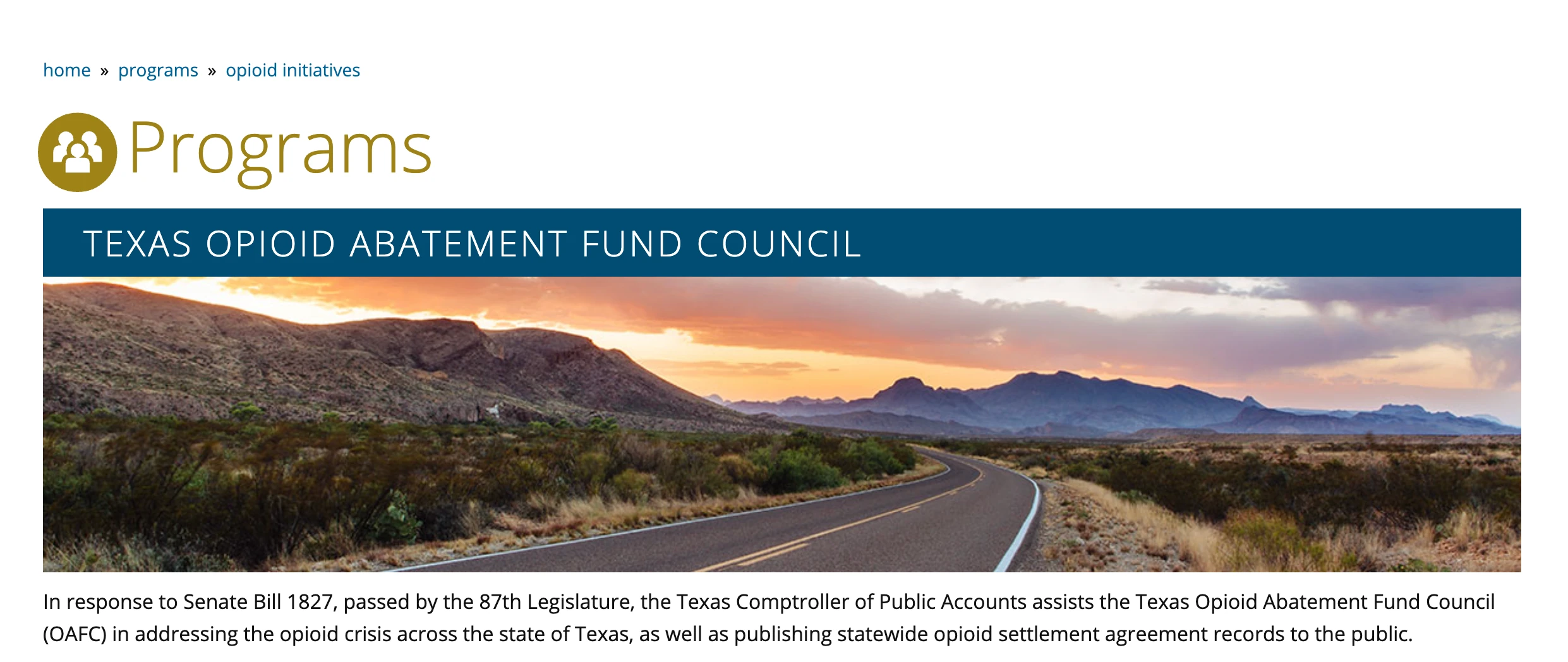
Sober Living Opioid Fund Updates: TN, MN, TX, CA, FL, OH.
Opioid settlement funding updates for sober living homes in Tennessee, Minnesota, Texas, California, Florida, and Ohio. Learn how to access these grants.
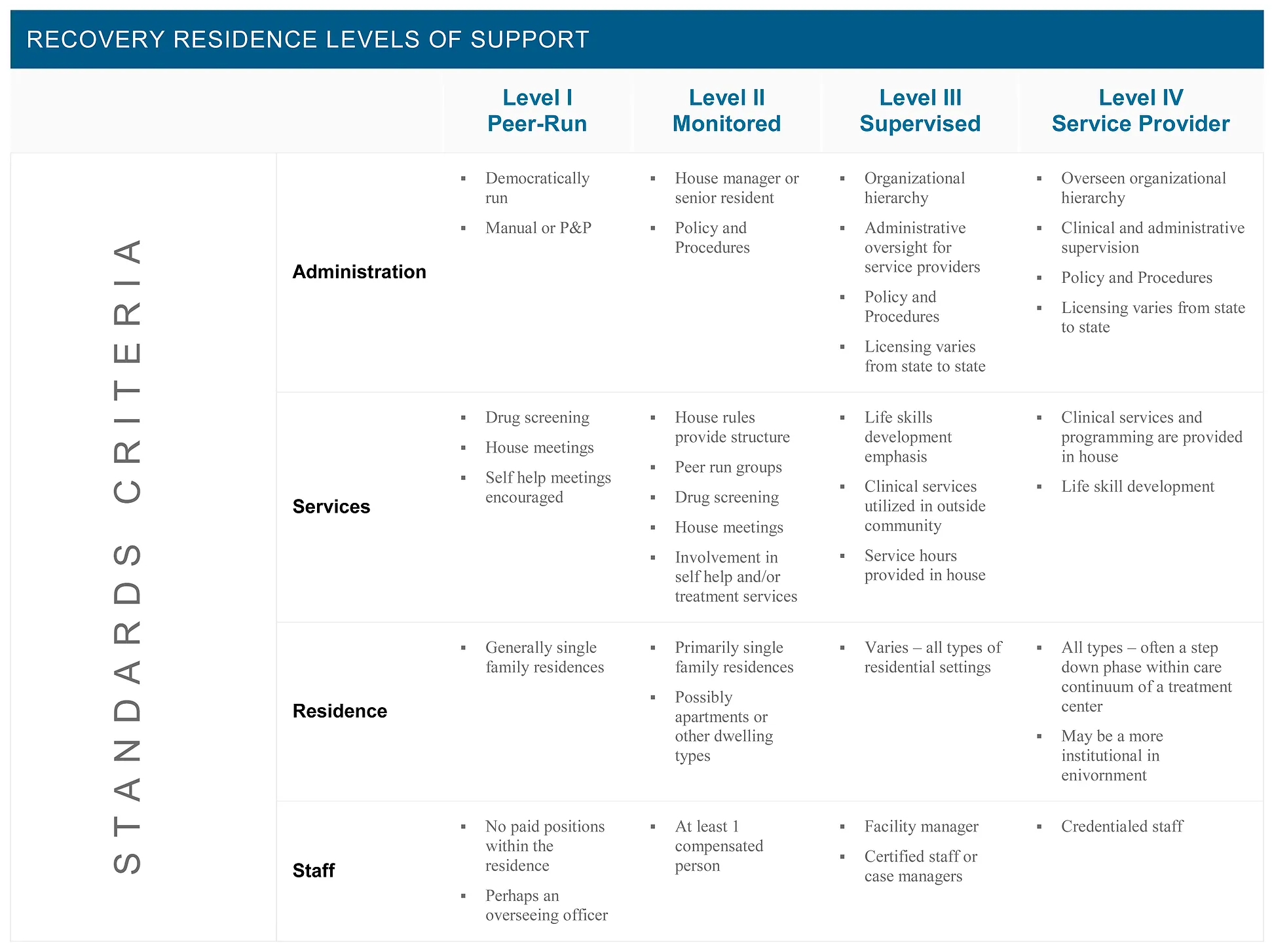
Sober Living Home Startup Guide
Sober living home startup guide with foundational steps for opening your first recovery residence. Covers business planning, property selection, and operations.
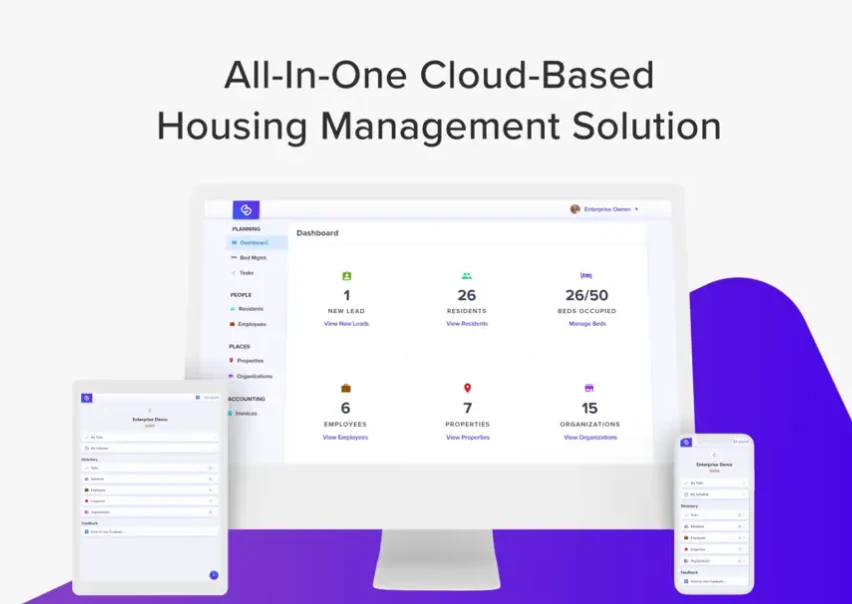
Transitional Housing Software Complete Guide: HUD Compliance & Management
Transitional housing software guide with HUD compliance features. Compare platforms for supportive housing, rapid rehousing, and homeless services programs.