
Sober Living Home Startup Guide
Sober living home startup guide with foundational steps for opening your first recovery residence. Covers business planning, property selection, and operations.
We built this guide to give recovery industry entrepreneurs a path to success. This will be a hub of resources and tools that have been helpful to others and could be helpful to you. Let us know what is helpful!
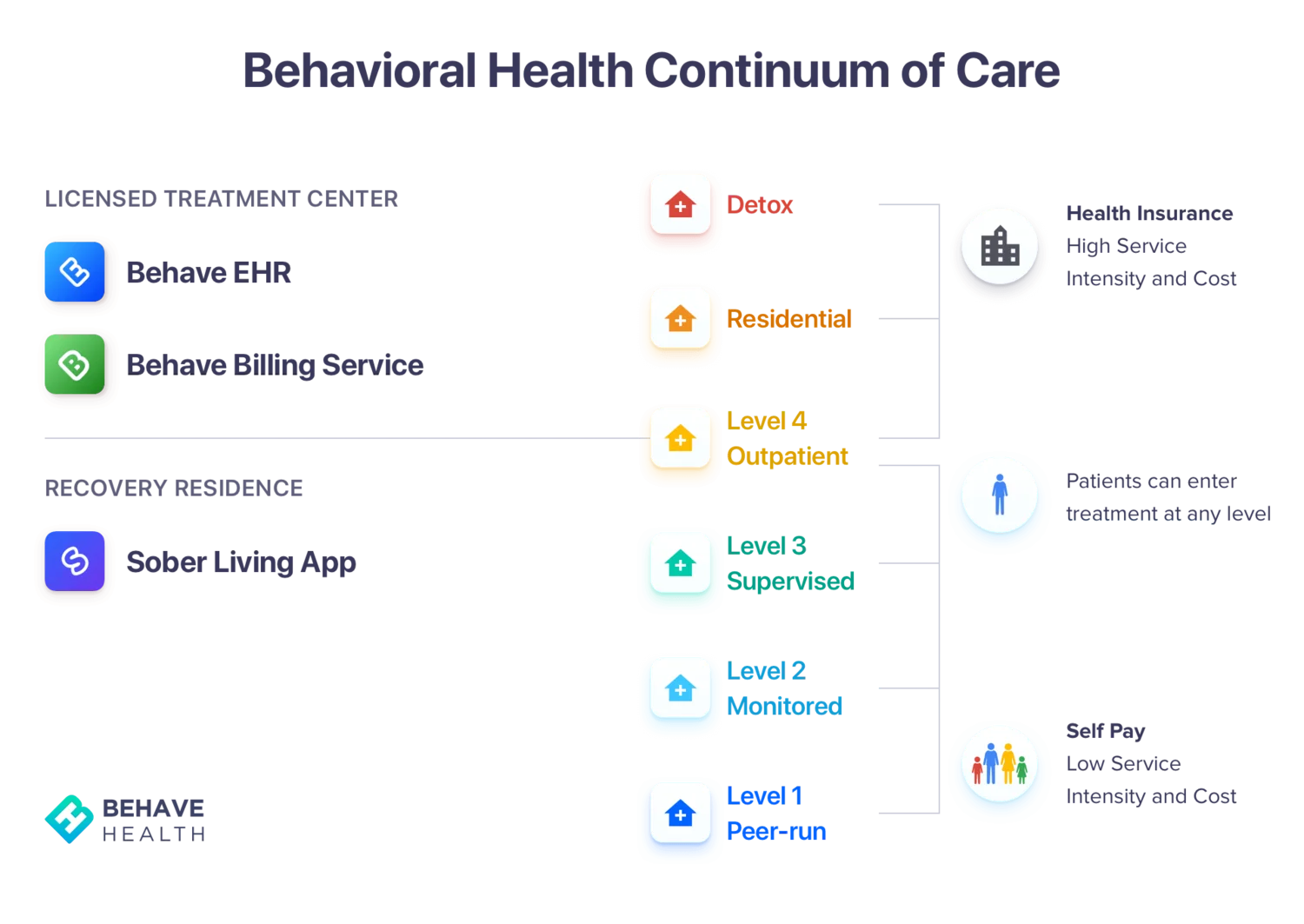
Recovery Residences In The Continuum Of Recovery
HOW TO START A SOBER LIVING HOME
THE RIGHT LOCATION
-
Property and community
-
Zoning laws and regulations
-
Addiction treatment and mental health services
-
Employment resources and public transportation
THE RIGHT PLAN
-
Programming and house rules
-
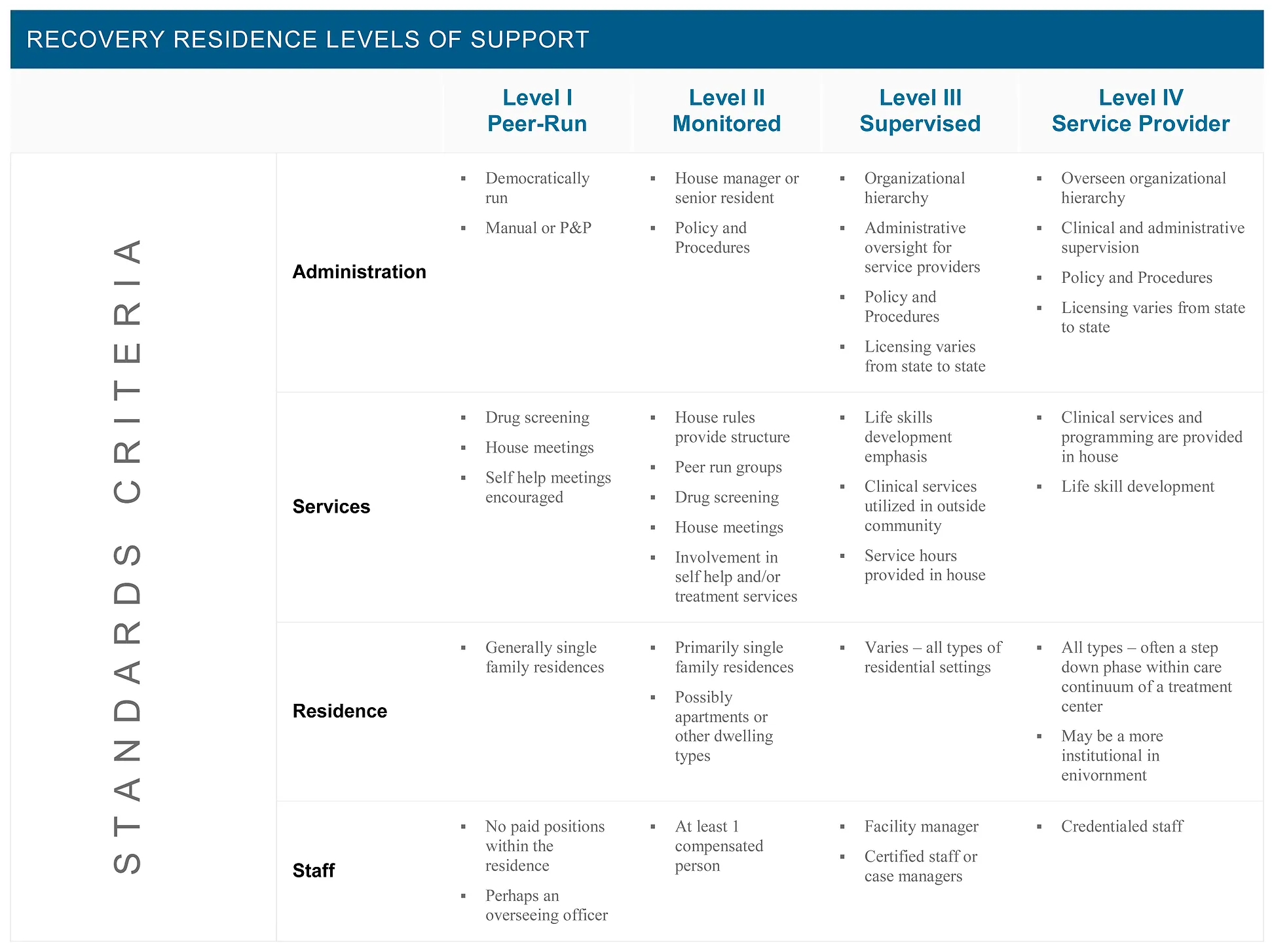
Level of support offered
-
Policies, procedures, and intake package
-
Budget and business model
-
Financial Modeling
IMPLEMENTATION & EXECUTION
-
Startup capital financing and property acquisition
-
Interview and hire and train staff with employee management tools
-
Housing operations and resident management
-
Marketing and referral network development
Reference: Pennsylvania Alliance of Recovery Residences - http://fredway7.wixsite.com/parr/support-levels
0 Likes
Share
Newer Post[What is a sober living home?]
Frequently Asked Questions
What are the key steps to starting a sober living home?
Focus on three areas: the right location (zoning, services, transportation), the right plan (programming, budget, policies), and implementation (financing, staffing, marketing).
What should I consider when choosing a location for my sober living home?
Evaluate the property and community, zoning laws and regulations, proximity to addiction treatment and mental health services, and access to employment resources and public transportation.
What level of support should my sober living home offer?
Recovery residences range from peer-run homes with minimal structure to supervised homes with clinical services. Choose a support level based on your target population and business model.
How do I finance a sober living home startup?
Secure startup capital through personal savings, investors, grants, or loans. Create a detailed budget and financial model covering property acquisition, staffing, operations, and marketing.
Manage your homes more efficiently
From admissions to discharge, Sober Living App streamlines every aspect of running recovery residences.
Related Articles

What is a Sober Living Home? Types, Rules & Management Guide
What is a sober living home? Learn the difference between halfway houses, recovery residences, and transitional housing. Understand services, structure, and benefits.
3 Things to Look for in Your First Sober Living Home Real Estate Deal
Starting your first sober living home? Learn 3 crucial things to look for in your real estate deal, including location, zoning, and property features.
Compliance Guide for Sober Living Facilities: Navigating Regulations and Requirements
Compliance guide for sober living facilities. Covers licensing, certification, NARR standards, FHA/ADA protections, and state-specific regulatory requirements.