
Maine Association of Recovery Residences
Guide to MARR (Maine Association of Recovery Residences), Maine's NARR affiliate. Learn about certification, standards & regulations for ME sober living.
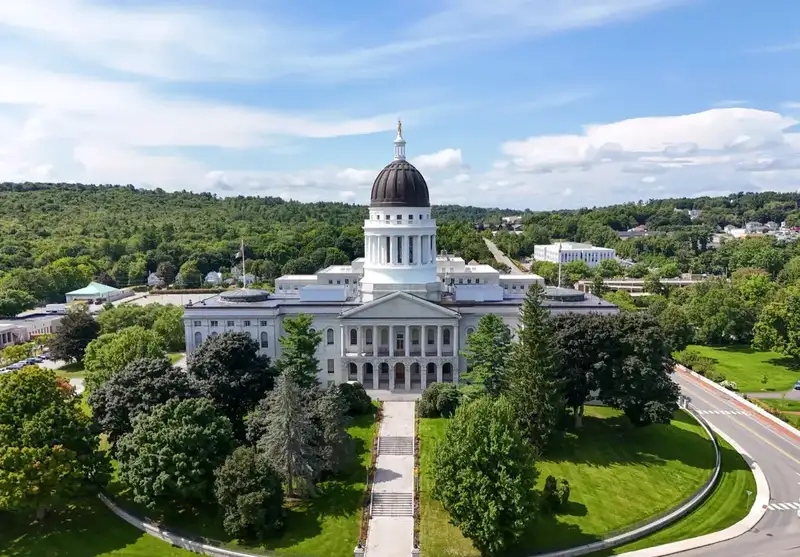
Maine Association of Recovery Residences (MARR): A Comprehensive Guide to Maine’s NARR State Affiliate
Last Updated: November 6, 2024
Disclaimer: This information is provided for educational purposes only and should not be considered legal, medical, or professional advice. Always consult qualified professionals for specific guidance related to recovery residences and certification requirements.
Introduction
In Maine’s recovery landscape, the Maine Association of Recovery Residences (MARR) serves as the official state affiliate of the National Alliance for Recovery Residences (NARR), managing and certifying recovery residences throughout the state [https://www.mainerecoveryresidences.com]. As a 501(c)(3) nonprofit organization established in 2016, MARR ensures safe, ethical, and supportive environments for individuals seeking recovery housing.
Organization Overview
MARR’s mission centers on promoting ethical and sustainable management of high-quality recovery residences across Maine. The organization oversees certification processes based on NARR’s established standards [Maine Association of Recovery Residences].
Key Functions:
-
Managing ethical and safety standards
-
Certifying residences according to NARR standards
-
Promoting access to safe recovery housing
-
Supporting sustainable management practices
Certification Process
The MARR certification process includes:
Application Requirements:
-
Initial membership application with $50 fee
-
Annual membership fee of $250 plus $1 per bed
-
Additional residences cost $100 plus $1 per bed annually
-
One to two-month completion timeline [Find a Residence — Maine Association of Recovery Residences]
Standards and Compliance
MARR maintains oversight through:
-
Regular property inspections
-
Adherence to NARR quality standards
-
Ethics compliance monitoring
-
Safety requirement verification
-
Grievance resolution processes
Legal Framework
Recent legislation has strengthened MARR’s role:
-
LD 964 (2021): “An Act To Expand Access to Certified Substance Use Disorder Recovery Residence Services”
-
LD 1523 (2019): Establishing voluntary certification and rental subsidy programs [Title 5, Chapter 521: SUBSTANCE USE DISORDER PREVENTION, TREATMENT AND RECOVERY]
Manage your homes more efficiently
From admissions to discharge, Sober Living App streamlines every aspect of running recovery residences.
Related Articles

Can \"Inclusive Recovery Cities\" Help Fight NIMBY Stigma Facing Recovery Residence Operators?
How Inclusive Recovery Cities help combat NIMBY stigma for sober living homes. Build community support for recovery residences through this new movement.

Update on Trump's Recovery Residence Policies, and What the Future May Hold for Sober Living
Analysis of Trump's recovery residence policies & potential impact on sober living's future. Covers funding & policy shifts (Feb 2025).

Grants for Recovery Homes and Halfway Houses: How to Secure Funding for Your Transitional Home
Find and secure grants for your recovery home, halfway house, or transitional home. Covers federal, state, and private funding sources for housing programs.