
Inclusive Recovery Cities: Fighting NIMBY Stigma
How Inclusive Recovery Cities help combat NIMBY stigma for sober living homes. Build community support for recovery residences through this new movement.
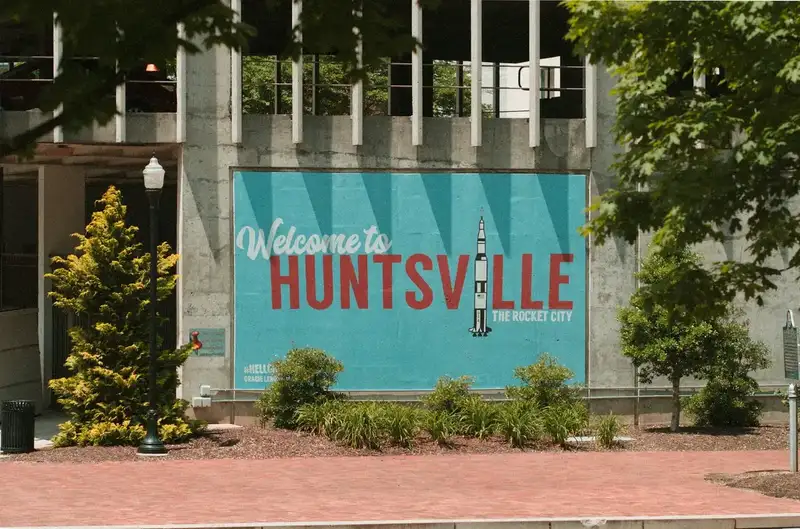
In an earlier post - What is an “Inclusive Recovery City?” Introducing this Exciting New Concept in Recovery Medicine and Community Resilience - we covered a new movement in the addiction treatment community to encourage cities in America to adopt the “Recovery City” model.
Still in its infancy, the “Recovery City” movement holds big promise for recovery residence operators and business owners who are interested in building a coalition in their community to combat the ignorance and misguided activism of NIMBY (“not in my backyard”) neighbors who oppose the recovery residence model at the city, county, and state level.
In this post, we will look at how sober living home and recovery residence operators might implement a “Recovery City” model to specifically promote sober living homes in their community and combat NIMBY policy overreach.
What is an “Inclusive Recovery City?” How are they formed and how do they operate?
An “Inclusive Recovery City” is a working model coming out of Belgium from Professor Charlotte Colman and other researchers. The model has appeared on the Drug Free America Foundation’s website. The first Inclusive Recovery City in America was formed in Virginia in 2024.
Inclusive Recovery Cities are designations used for cities that choose to adopt the Inclusive Recovery City program. Namely, these cities agree to set up a small steering committee to make recovery more visible in the community, and agree to host a number of recovery community events every year in their city or town. The steering committee works to coordinate with stakeholders in the community and also to serve as a communication hub with the international Inclusive Recovery Cities organization, in order to share successes, challenges, and new ideas in program implementation.
Why are Inclusive Recovery Cities advantageous for recovery residence operators?

Inclusive Recovery Cities give recovery residence operators an opportunity to:
- Build awareness of recovery, addiction, and the recovery residence model in the broader community
- Fight local NIMBY objections to sober living before they even begin
- Network with allies and others in the community who share your goals
- Offer value to the larger community
- Form partnerships with community stakeholders to strengthen your local recovery community
Becoming an Inclusive Recovery City means having your local government - usually a city council - sign a declaration of intention to become an Inclusive Recovery City. In the process of getting this declaration signed, you’ll likely speak with your local government and get to know the people sitting on city council. You’ll also get your recovery residence organization in front of these important decision-makers in your community, introducing the idea of a “recovery community,” as well as getting councilmembers acquainted with the idea of sober living. In these conversations, you’ll have an opportunity to underscore the benefits of the recovery residence model for all community members.
It’s always a good idea to begin productive relationships with community members early - before any problems, questions, or concerns arise. This way, as a responsible recovery residence operator, you can put to rest any rumors or misinformation community members may have about addiction, recovery, and the recovery residence model.
For recovery residence operators, it’s far better to make a good first impression than it is to respond to complaints after the fact
Too often, city councils only become aware of sober living in the process of fielding complaints from neighbors and concerns from uninformed community members who worry that recovery housing is a threat to the peace and safety of their neighborhood. While this may be the case for irresponsible, unprofessionally managed “recovery residences,” that could not be further from the truth for well-managed, professional run sober living homes.
Spearheading an “Inclusive Recovery City” effort in your area acts as an invitation to your city government to view itself as an ally to the recovery community. Considering becoming an “Inclusive Recovery City” involves a process of discovery, where city government members can explore their ideas about recovery and learn more about why a strong recovery culture is an important part of a vibrant municipal life.
Positioning your organization as a thought leader in community building and public health is a strategic way to demonstrate the truth to your community: well-managed recovery housing is an asset, not a liability, to the community.
Future-proof your addiction treatment business with Behave Health
Behave Health is committed to making it easier - and more profitable - to operate evidence-based, results-focused addiction treatment centers that stand the test of time.
Our all-in-one app puts clinical, administration, staff, admissions, alumni, residents, treatment plans, billing, insurance authorizations and more - all at your fingertips.
Get your free trial started today and see why more addiction treatment centers prefer Behave Health.
PS. Just getting started with behavioral health? Our Behave360 Professional Services can help with licensing, accreditation, compliance, and much more. Stop trying to reinvent the wheel and end the analysis paralysis. Our seasoned specialists handle all of the details with precision so you can focus on what’s next.
Frequently Asked Questions
What is an Inclusive Recovery City?
A designation for cities that adopt a program to make recovery visible in the community. Cities form a steering committee, host recovery events, and coordinate with stakeholders. The model originated in Belgium.
How do Inclusive Recovery Cities help fight NIMBY stigma?
They give recovery operators a framework to build community awareness, network with allies, and introduce city council members to the benefits of recovery housing before complaints arise.
Where was the first Inclusive Recovery City in America formed?
The first Inclusive Recovery City in America was formed in Virginia in 2024, based on a model developed by Professor Charlotte Colman and featured on the Drug Free America Foundation's website.
Why should sober living operators make a good first impression with city government?
City councils often learn about sober living only through neighbor complaints. Proactively engaging through an Inclusive Recovery City effort positions you as a thought leader and community asset before problems arise.
Manage your homes more efficiently
From admissions to discharge, Sober Living App streamlines every aspect of running recovery residences.
Related Articles

Sober Living Home Business Plan Template: Complete Guide for 2026
Free sober living home business plan template with step-by-step instructions. Covers market analysis, financial projections, operations, licensing, and funding strategies for recovery residence startups.
How to Open a Sober Living Home in New Jersey: Complete 2026 Operator Guide
Start a sober living home in New Jersey: Class F license requirements, GSARR certification, P.L. 2025 c.60 regulations, startup costs by market, and opioid settlement funding. Step-by-step guide for operators.

Sober Living Resident Agreement Template [Free Download 2026]
Free sober living resident agreement template with customizable sections for house rules, rent, drug testing, and discharge policies. Copy-ready format.