
When Should Your Sober Living Home Call 911? The Answer is Complicated
When should your sober living home call 911? Learn to develop emergency protocols that balance resident safety with awareness of policing impacts.
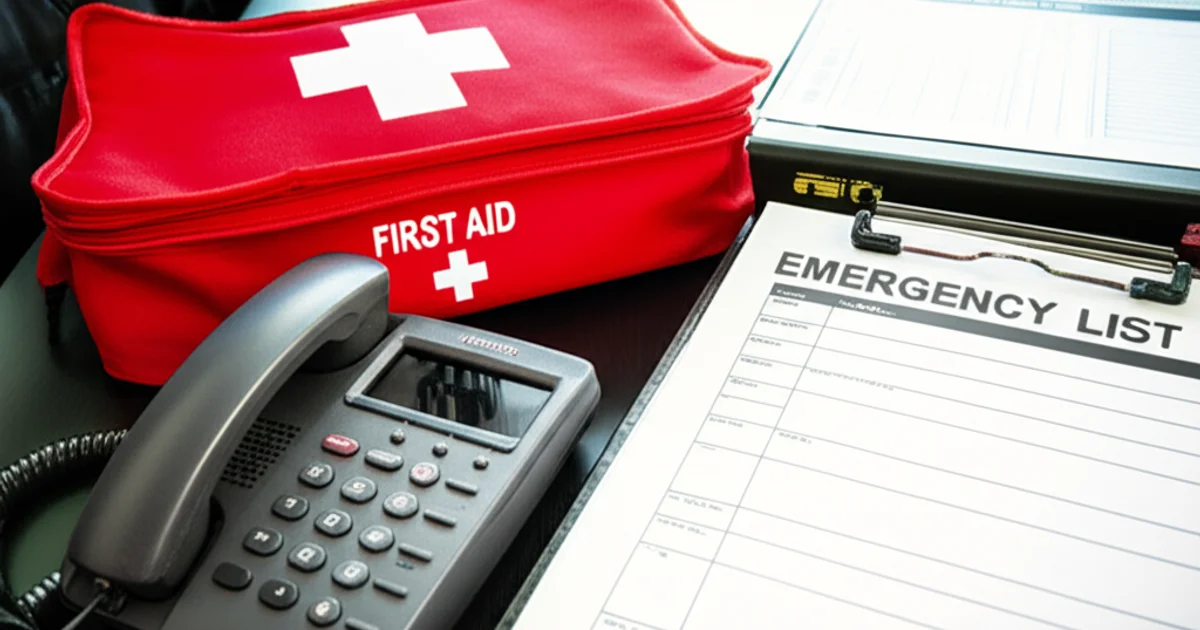
The question seems simple: When should you call 911? But for sober living home operators, the answer requires careful consideration of multiple factors, including the safety of your residents and the potential consequences of police involvement.
When 911 is Absolutely Appropriate
Let’s be clear from the start: genuine medical emergencies absolutely warrant calling 911. Heart attacks, respiratory distress, unresponsiveness, severe injuries, and overdoses require immediate professional intervention.
Don’t hesitate when lives are at stake. Emergency medical services exist precisely for these situations.
The Complications
Here’s where it gets nuanced. 911 calls can easily bring a police presence to situations that might not warrant law enforcement involvement. What starts as a welfare check can escalate into something far more serious.
For non-medical crises, like mental health episodes, interpersonal conflicts, or minor disturbances, police response can sometimes make situations worse rather than better.
Racial Justice Considerations
BIPOC communities experience disproportionate risks during police encounters. Research consistently shows African Americans face heightened danger during police interactions and higher arrest rates in comparable situations.
As a sober living operator, you have a responsibility to consider how your emergency response decisions impact your most vulnerable residents. This isn’t about politics; it’s about protecting the people in your care.
Developing Community Alternatives
Rather than defaulting to 911, research local resources that might provide better alternatives for certain situations:
- Mental health crisis response teams: Many communities now have trained professionals who respond to mental health emergencies without police involvement
- Conflict resolution services: Community mediation organizations can help de-escalate disputes
- Peer support networks: Recovery community organizations often have crisis support available
- Faith-based support services: Local religious organizations may offer crisis intervention
Creating Clear Emergency Protocols
Management should document emergency protocols that specify situations that do NOT require 911, such as:
- Non-acute suicidal ideation (when immediate danger isn’t present)
- Noise complaints from neighbors
- Petty resident disputes pending internal investigation
- Issues already in your internal conflict resolution process
- Minor rule violations
For each situation type, document the appropriate response: who to contact, what steps to take, and when escalation to 911 becomes necessary.
Training Your Staff
Protocols only work if staff understand them. Regular training should cover:
- Recognizing genuine emergencies versus situations that can be handled differently
- De-escalation techniques for tense situations
- How to access community alternatives
- Documentation requirements for all incidents
The Bottom Line
Thoughtful emergency planning that incorporates trauma-informed approaches and community alternatives promotes both resident safety and equity. The goal isn’t to avoid 911 entirely; it’s to ensure that when you do call, it’s the right decision for that specific situation.
Take time this week to review your emergency protocols. Are they serving all your residents well?
Frequently Asked Questions
When should a sober living home call 911?
Genuine medical emergencies like heart attacks, respiratory distress, unresponsiveness, severe injuries, and overdoses absolutely warrant calling 911. Don't hesitate when lives are at stake.
Why is calling 911 complicated for sober living homes?
911 calls can bring police presence to situations that may not warrant law enforcement. For non-medical crises like mental health episodes or interpersonal conflicts, police response can sometimes escalate situations.
What are alternatives to calling 911 for sober living homes?
Alternatives include mental health crisis response teams, community mediation and conflict resolution services, peer support networks from recovery organizations, and faith-based crisis intervention services.
What situations do NOT require calling 911 at a sober living home?
Situations like non-acute suicidal ideation, noise complaints from neighbors, petty resident disputes, issues in internal conflict resolution, and minor rule violations typically do not require 911.
How should sober living homes train staff on emergency protocols?
Regular training should cover recognizing genuine emergencies, de-escalation techniques, accessing community alternatives, and documentation requirements for all incidents.
How do racial justice considerations affect 911 decisions?
BIPOC communities experience disproportionate risks during police encounters. Operators have a responsibility to consider how emergency response decisions impact their most vulnerable residents.
Enhance your clinical documentation
Track assessments, document progress, and maintain the clinical records your program needs.
Related Articles

What Can Your Sober Living Home Do for Racial Equity? A Lot, Actually
How sober living home operators can advance racial equity. Move beyond non-discrimination policies to become actively anti-racist organizations.

Sober Living Home Business Plan Template: Complete Guide for 2026
Free sober living home business plan template with step-by-step instructions. Covers market analysis, financial projections, operations, licensing, and funding strategies for recovery residence startups.

How to Open a Sober Living Home in New Jersey: Complete 2026 Operator Guide
Start a sober living home in New Jersey: Class F license requirements, GSARR certification, P.L. 2025 c.60 regulations, startup costs by market, and opioid settlement funding. Step-by-step guide for operators.