
What They Don't Want You to Know About Opening a Sober Living Home in Alaska
Opening a sober living home in Alaska? Discover why AK has minimal regulations, no required certification, and what you need to know to get started successfully.

Sober Living is Not Regulated Heavily in Alaska
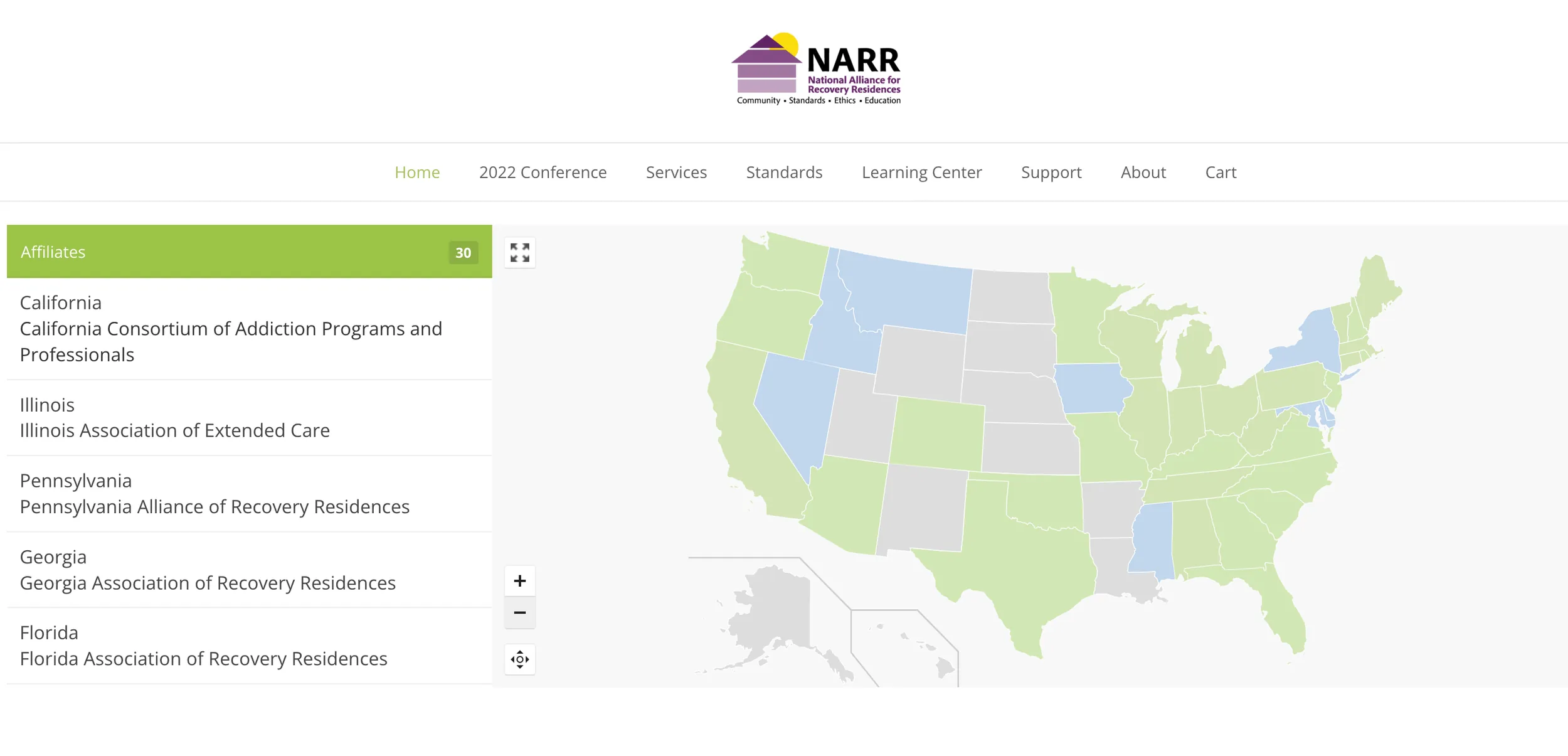
Alaska has no state-wide licensing or certification requirements for sober living homes. However, cities and counties may have their own group home, boarding home, or other local ordinances that impose additional requirements. You must verify all local regulations with your municipality and consult a qualified local attorney before beginning operations. There is no centralized database that shows the number of existing sober living homes in the state. There is no state agency that has been tasked with regulating sober living in Alaska, either. The National Alliance for Recovery Residences shows no current or pending affiliates in Alaska.
That said, Alaskan sober living is not a complete free-for-all, of course. As in all states, sober living homes in Alaska must abide by basic residential health and safety requirements and comply with standard building codes and zoning regulations.
While there is no pending legislation that threatens to change the laissez-faire regulatory environment for sober living home operators in Alaska, this could change soon. Sober living home certification programs - voluntary and involuntary - are trending in state governments in the United States and could easily make their way to Alaska, as well.
There is Not Nearly Enough Sober Living Facilities to Meet the Demand for Recovery Residences in Alaska
Addiction is a very serious public health concern in the state of Alaska and there are not nearly enough sober living home beds to meet the demand of the community. In Alaska, homelessness and addiction are closely linked and Anchorage made waves recently by closing the largest homeless shelter in the area, with many residents stating that they had no other place to go, and certainly no other place to pursue sober living.
It should come as no surprise, then, that an Alaska Advisory Board on Alcoholism and Drug Abuse study listed the need to “Increase access to treatment and sober housing/shelter options for people who are seeking to recover from or maintain recovery from substance abuse” as a long-term strategy for addressing homelessness in Alaska.
You’ll Need to Get a Business License to Operate a Sober Living Home in Alaska
Like any business, all sober living homes need to obtain a business license to operate in the state of Alaska. The Department of Commerce, Community and Economic Development provides a handy online application for obtaining the business license your organization will need.
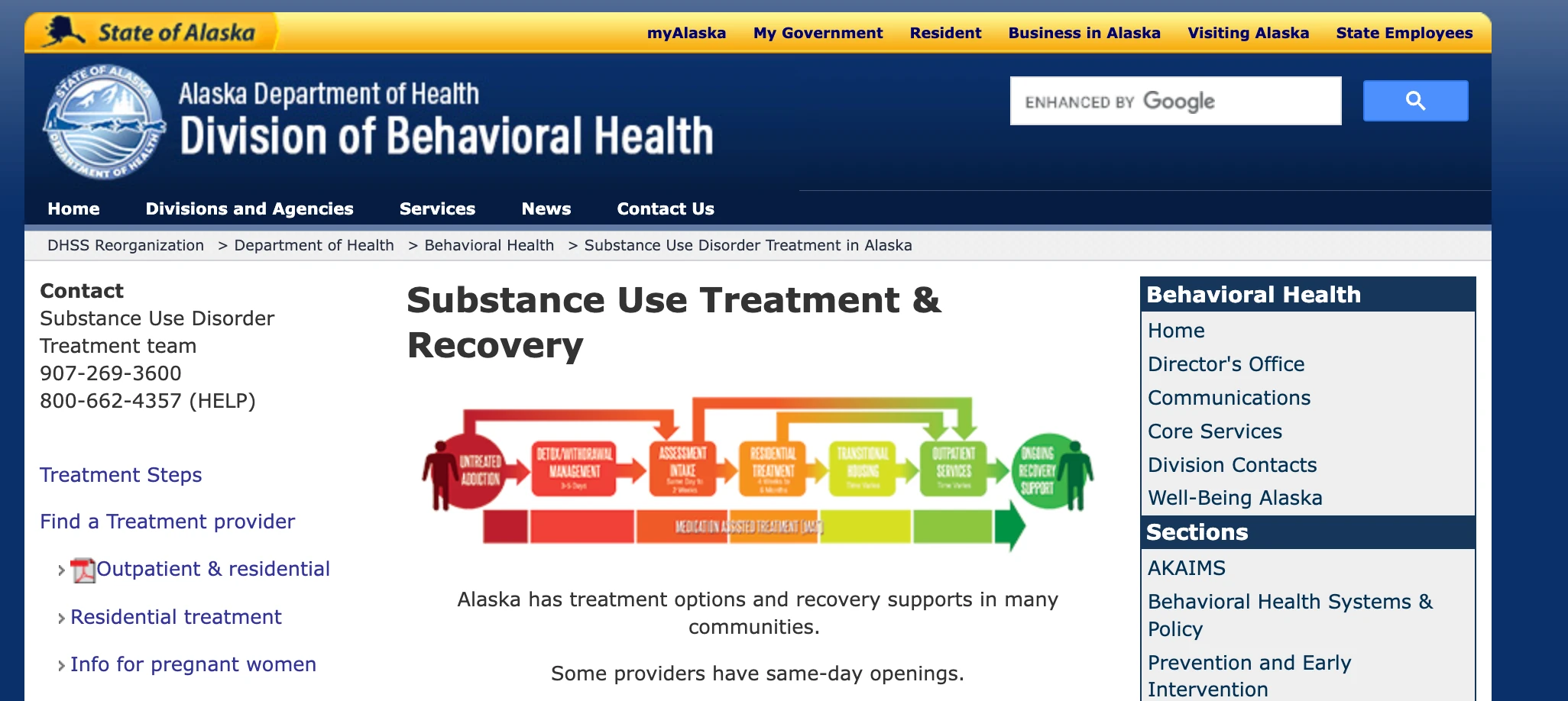
While there are licensing requirements for professional services like Nursing Home Administrators, Marital & Family Therapy and Prescription Drug Monitoring Programs in Alaska, there are no licensing requirements specific to sober living homes. The Alaska Department of Health Division of Behavioral Health, another possible regulatory body for recovery residences in Alaska, has no licensing requirements for sober homes, either.
Men, Native Alaskans and Young People are Overrepresented in Sober Living Homes in Alaska
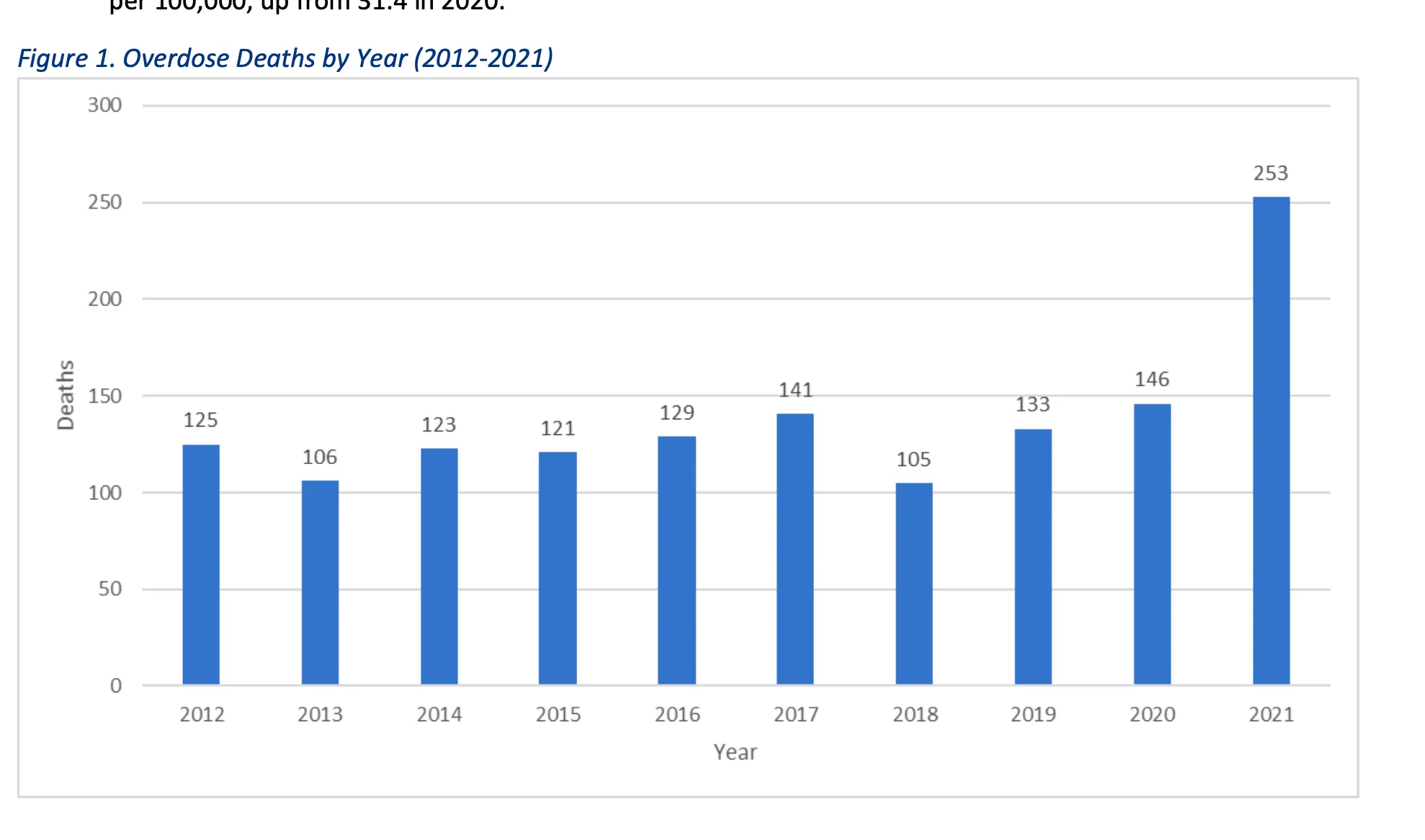
According to Alaska’s 2021 Drug Overdose Mortality Update, Alaska currently averages about 138 overdose deaths per year, with 35.2 deaths per 100,000 individuals in 2020.
Of those, women are less likely to die from overdose than men in Alaska.
American Indian/Alaska Native (AI/AN) people experience a disproportionately high rate of overdose compared with other races in Alaska. AI/AN people suffered 77.7 deaths per 100,000 in 2020, while white people in Alaska experienced an overdose death rate of 28.8 deaths per 100,000 individuals.
According to the same study, young adults and middle-aged people were the most likely to experience overdose death than people of other ages. Young people between the ages of 25 to 34 years old saw death rates of 64.6 deaths per 100,000.
These statistics demonstrate that the greatest need for sober living will likely be found in the male, AI/AN and young- to -middle-aged populations. This information can be helpful in the planning and development phases of opening your sober living home.
Sober Living Home Operators Take Note: Alaska Has a Very Serious Drug Overdose Issue
Sadly, Alaska suffered the highest increase in overdose deaths of all of the states in the US in 2021. Between 2020 and 2021, Alaska experienced a staggering 74% increase in such mortalities. Studies demonstrated that fentanyl and methamphetamines were about equally responsible for the increase in these tragic deaths.
In terms of geographic “hot spots” for overdose activity, Anchorage Public Health Region saw the highest concentration of these deaths of any other area in the state.
Other Content for Alaska Sober Living and Addiction Treatment Center Owners and Operators
List of Addiction Treatment Providers in Alaska - Behave Bridge
How to Get an Addiction Treatment Center Licensed in Your State—PART 2 - includes information on Alaska
Where Can I Find Addiction Treatment Utilization Forms for Premera Blue Cross? - Alaskan insurance payer
Alaska NARR Affiliate Status
For information about certification standards and NARR guidelines in Alaska, see our guide on the Alaska NARR State Affiliate.
Thinking of Opening a Sober Living Home in Alaska? We Help Sober Living Succeed.
Sober Living App makes it easier - and more profitable - to operate sober living homes.
Our all-in-one app handles rent collection, admissions, property management, residents’ care coordination, community contacts, transportation details, calendars, staff, alumni and more - all from the convenience of your phone.
Claim your free trial today and see why more sober living homes prefer the Sober Living App.
Frequently Asked Questions
Are sober living homes regulated in Alaska?
Alaska has no state-wide licensing or certification requirements for sober living homes. There is no NARR affiliate, no centralized database, and no state agency tasked with regulating sober living. Basic building codes and zoning still apply.
Do you need a license to open a sober living home in Alaska?
You need a general business license from the Department of Commerce, but there are no sober-living-specific licensing requirements. Apply online through Alaska's Division of Corporations, Business and Professional Licensing.
Is there demand for sober living homes in Alaska?
Yes, significant demand exists. Alaska experienced a 74% increase in overdose deaths between 2020-2021, the highest increase of any US state. An advisory board study identified increasing sober housing access as a long-term strategy.
Which populations need sober living most in Alaska?
Men, Alaska Native/American Indian communities, and young adults aged 25-34 show the highest overdose rates. AI/AN people experienced 77.7 deaths per 100,000 in 2020 compared to 28.8 for white residents.
Could Alaska introduce sober living home regulations in the future?
Yes. While no legislation is currently pending, voluntary and mandatory certification programs are trending across US states and could extend to Alaska. The current regulatory environment is considered laissez-faire.
Manage your homes more efficiently
From admissions to discharge, Sober Living App streamlines every aspect of running recovery residences.
Related Articles

Sober Living Home Business Plan Template: Complete Guide for 2026
Free sober living home business plan template with step-by-step instructions. Covers market analysis, financial projections, operations, licensing, and funding strategies for recovery residence startups.
How to Open a Sober Living Home in New Jersey: Complete 2026 Operator Guide
Start a sober living home in New Jersey: Class F license requirements, GSARR certification, P.L. 2025 c.60 regulations, startup costs by market, and opioid settlement funding. Step-by-step guide for operators.

Sober Living Resident Agreement Template [Free Download 2026]
Free sober living resident agreement template with customizable sections for house rules, rent, drug testing, and discharge policies. Copy-ready format.