
Oklahoma NARR State Affiliate (OKARR) | Complete Guide
Oklahoma Alliance for Recovery Resources (OKARR) - Oklahoma's NARR affiliate for recovery housing certification. Requirements, levels, benefits, and how to get certified.

Legal Disclaimer
This article provides general information for educational purposes only. It is not legal, financial, or compliance advice. Recovery housing regulations vary by state, county, and municipality. You must consult with a qualified local attorney and your municipality's code enforcement office to confirm all requirements at every level of jurisdiction. Regulations change frequently — always verify current requirements directly with relevant government agencies.
Oklahoma NARR State Affiliate: Complete Guide to OKARR Certification
The Oklahoma Alliance for Recovery Resources (OKARR) serves as the official NARR state affiliate for Oklahoma, providing certification and support for recovery residences throughout the state. This comprehensive guide covers everything operators need to know about OKARR certification, requirements, and the benefits of becoming a certified recovery residence in Oklahoma.
Table of Contents
- Introduction to OKARR
- About the Oklahoma Alliance for Recovery Resources
- Certification Levels
- How to Get Certified
- Benefits of Certification
- State Collaboration
- Contact Information
- Related Resources
Introduction to OKARR
The Oklahoma Alliance for Recovery Resources (OKARR) is the official Oklahoma state affiliate of the National Alliance for Recovery Residences (NARR). OKARR promotes the quality of recovery housing by offering training and resources to recovery housing providers and workforce, and certifies recovery housing that meets national best practices.
OKARR’s certification ensures that recovery residences provide safe, supportive environments that promote long-term recovery for individuals with substance use disorders.
About the Oklahoma Alliance for Recovery Resources
Mission and Vision
OKARR’s mission is to promote quality recovery housing across Oklahoma by providing certification based on national best practices, training for operators and staff, and resources to support the recovery housing workforce.
Key Functions
- Certification: Evaluating and certifying recovery residences at Levels 2 and 3
- Training: Providing education for operators, house managers, and recovery support staff
- Resources: Offering tools and guidance for quality improvement
- Advocacy: Working with state agencies to support recovery housing policy
- Quality Assurance: Conducting inspections and reviews to maintain standards
Relationship with ODMHSAS
OKARR works closely with the Oklahoma Department of Mental Health and Substance Abuse Services (ODMHSAS) to support recovery housing initiatives. ODMHSAS credentials for peer support specialists and case managers are often required for Level 3 certification.
Certification Levels
OKARR currently certifies recovery residences at Levels 2 and 3 only. The concept of levels originates with NARR, but each state affiliate maintains discretion in defining precise selection criteria.
Important Note: Levels are not a rating system. One level is not better than another - they are designed to meet different needs and offer different levels of support cost-effectively.
Level 2: Monitored Recovery Residence
Level 2 residences provide a structured, monitored environment with staff oversight but without clinical services.
Requirements:
- House Guidelines: Guidelines must be posted and visible to residents at all times, and followed to maintain residence
- Drug Testing: Mandatory drug testing to ensure a substance-free environment
- Recovery Support: Required group meetings and independent assistance for resident recovery
- Staff Oversight: House manager or supervisor provides structure and accountability
Best For: Individuals who need structure and accountability but do not require clinical support services
Level 3: Supervised Recovery Residence
Level 3 residences provide more intensive support with credentialed staff and connections to treatment services.
Requirements:
- House Guidelines: Guidelines must be posted and visible at all times; licensure of administrative members may be required
- Reentry Resources: Must provide resources that prepare residents for reentering society after leaving the recovery home
- Peer Support: PRSS (Peer Recovery Support Specialist) certified through ODMHSAS providing services in the home a minimum of 3 days per week
- Case Management: One of the following providing services minimum 3 days per week:
- CM I or II certified through ODMHSAS
- Housing Plus Endorsed staff member endorsed through ODMHSAS
- Treatment Connection: An MOU (Memorandum of Understanding) with an SUD (Substance Use Disorder) Provider outside of yourself in your community
- Staff Qualifications: Staff are supervised, trained, or credentialed and are often graduates of a recovery residence
Best For: Populations who need more intense support in developing recovery capital than provided by Level 1 or Level 2 residences
Why No Level 1 or Level 4?
OKARR has determined that Levels 2 and 3 best serve Oklahoma’s recovery housing needs. Level 1 peer-run homes may operate without OKARR certification, while Level 4 homes with clinical services typically require state licensure through ODMHSAS rather than OKARR certification.
How to Get Certified
Step 1: Determine Your Level
Review the requirements for Level 2 and Level 3 to determine which best fits your residence’s operations and the population you serve.
Step 2: Review NARR and OKARR Standards
Before applying, thoroughly review both NARR’s national quality standards and OKARR’s specific requirements. Key areas include:
- Administrative policies and procedures
- Resident rights and responsibilities
- Physical environment requirements
- Health and safety protocols
- Staff qualifications and credentialing
- Financial management practices
Step 3: Obtain Required Credentials (Level 3)
If seeking Level 3 certification, ensure you have:
- PRSS certified staff through ODMHSAS
- CM I, CM II, or Housing Plus Endorsed staff through ODMHSAS
- An executed MOU with an external SUD Provider
Step 4: Prepare Documentation
Gather all required documentation, including:
- Business registration and legal structure documents
- Insurance documentation
- Resident handbook and house guidelines
- Resident rights policies
- Non-discrimination policies
- Staff qualifications and credentials
- Drug testing policies and procedures
- Emergency response procedures
- MOU with SUD Provider (Level 3)
Step 5: Submit Application
Complete and submit the OKARR certification application through their official website. The application requires detailed information about your residence’s:
- Governance structure
- Operational policies
- Staff qualifications and credentials
- Physical environment
- Resident services
- Financial practices
Step 6: Application Review
Upon submission, OKARR reviews and evaluates your application to determine whether it meets NARR’s and OKARR’s standards.
Strength-Based Process: NARR certification is a strength-based process, meaning you will have access to educational resources and the ability to update information within a reasonable time period if a Reviewer determines that you do not meet a standard.
Step 7: On-Site Inspection
OKARR conducts regular on-site inspections to verify compliance with safety standards. Inspectors evaluate:
- Physical condition and safety of the residence
- Documentation and record-keeping practices
- Staff knowledge and credentials
- Resident environment quality
- Compliance with OKARR standards
Step 8: Certification Decision
After review, OKARR issues a certification decision. If issues are identified, you have the opportunity to address them and resubmit.
Step 9: Annual Renewal
Certified homes must undergo yearly inspections to maintain their certification status. This ensures ongoing compliance with quality standards.
Variance and Grievance Rights
Applicants have important rights during the certification process:
- Variance Request: Right to submit a variance (exception) to a standard if circumstances warrant
- Grievance Process: Right to submit a grievance against the Reviewer or OKARR if you believe the review was unfair
Benefits of Certification
Credibility and Trust
OKARR certification signals to residents, families, and referral sources that your recovery residence meets nationally recognized quality standards. This builds trust and differentiates your home from non-certified facilities.
Referral Network Access
Certified homes gain access to referral networks from:
- Treatment centers
- ODMHSAS programs
- Courts and probation departments
- Healthcare providers
- Social service agencies
State Recognition
Working with ODMHSAS through OKARR certification can open doors to:
- State funding opportunities
- Referrals from state programs
- Recognition as a quality provider
- Participation in state recovery housing initiatives
Training and Resources
OKARR provides ongoing education and support for certified operators:
- Training programs for operators and staff
- Resources for quality improvement
- Educational materials
- Networking opportunities
Quality Improvement Framework
The certification process provides a structured framework for continuous improvement, helping operators deliver better outcomes for residents.
Access to Credentialed Staff
Through the certification process, operators connect with ODMHSAS credentialing pathways for:
- Peer Recovery Support Specialists (PRSS)
- Case Managers (CM I, CM II)
- Housing Plus Endorsed staff
State Collaboration
ODMHSAS Partnership
OKARR works closely with the Oklahoma Department of Mental Health and Substance Abuse Services (ODMHSAS) to ensure recovery housing aligns with state behavioral health initiatives. This partnership provides:
- Credentialing pathways for recovery housing staff
- Connection to state recovery support services
- Alignment with state quality standards
- Access to state resources and funding
Recovery Housing Landscape
Oklahoma has made significant investments in recovery housing as part of its broader behavioral health strategy. OKARR certification positions operators to participate in state-supported recovery housing initiatives.
Contact Information
Oklahoma Alliance for Recovery Resources (OKARR)
- Website: https://www.okarr.org
- Certification Information: https://okarr.org/certification/recovery-residence-certification/
- Recovery Housing Levels: https://okarr.org/levels/
- For Operators: https://okarr.org/operators/
Oklahoma Department of Mental Health and Substance Abuse Services (ODMHSAS)
- Recovery-Based Housing: https://oklahoma.gov/odmhsas/recovery/housing/recovery-based-housing.html
National Alliance for Recovery Residences (NARR)
- Website: https://narronline.org
- OKARR Affiliate Page: https://narronline.org/affiliate/oklahoma-alliance-for-recovery-resources/
Streamline Your Operations with Sober Living App
Managing a certified recovery residence in Oklahoma requires tracking compliance requirements, staff credentials, and operational details. Sober Living App provides purpose-built software for recovery housing operators, helping you:
- Track Certification Requirements: Stay organized with compliance documentation and inspection schedules
- Manage Resident Records: Securely store resident information, agreements, and progress notes
- Document Staff Credentials: Track ODMHSAS certifications and credential renewals
- Streamline Billing: Automate rent collection and financial tracking
- Generate Reports: Create reports for OKARR inspections and annual renewals
- Coordinate Drug Testing: Track and schedule mandatory drug testing with ease
Related Resources
Looking for more information about operating a recovery residence in Oklahoma? Check out these related articles:
- What You Need to Know Before Opening a Sober Living Home in Oklahoma
- NARR Affiliate News for Sober Living Homes in Oklahoma, Connecticut, and Utah
Last Updated: January 22, 2026
Frequently Asked Questions
What NARR levels does OKARR certify in Oklahoma?
OKARR currently certifies recovery residences at Levels 2 (Monitored) and Level 3 (Supervised) only. Level 1 peer-run homes may operate without OKARR certification, and Level 4 homes typically require state licensure through ODMHSAS.
What staff credentials are required for Level 3 OKARR certification?
Level 3 certification requires PRSS (Peer Recovery Support Specialist) certified through ODMHSAS providing services at least 3 days per week, plus either a CM I/II certified case manager or Housing Plus Endorsed staff member, also providing services minimum 3 days per week.
What is required for the MOU in Level 3 OKARR certification?
Level 3 certified residences must have a Memorandum of Understanding (MOU) with an external SUD (Substance Use Disorder) Provider in their community. This establishes a formal partnership for treatment coordination outside of your own organization.
How often must OKARR-certified homes undergo inspections?
OKARR-certified homes must undergo yearly inspections to maintain their certification status. OKARR conducts regular on-site inspections to verify compliance with safety standards, documentation practices, and overall adherence to OKARR standards.
What rights do applicants have during the OKARR certification process?
Applicants have the right to submit a variance (exception) to a standard if circumstances warrant, and the right to submit a grievance against the Reviewer or OKARR if they believe the review was unfair. The process is strength-based, providing access to educational resources and time to address any deficiencies.
Meet NARR standards with ease
Sober Living App aligns with NARR best practices to help you achieve and maintain quality certification.
Nearby Southwest States
Explore NARR affiliates and certification requirements in other southwest states:
Related Articles
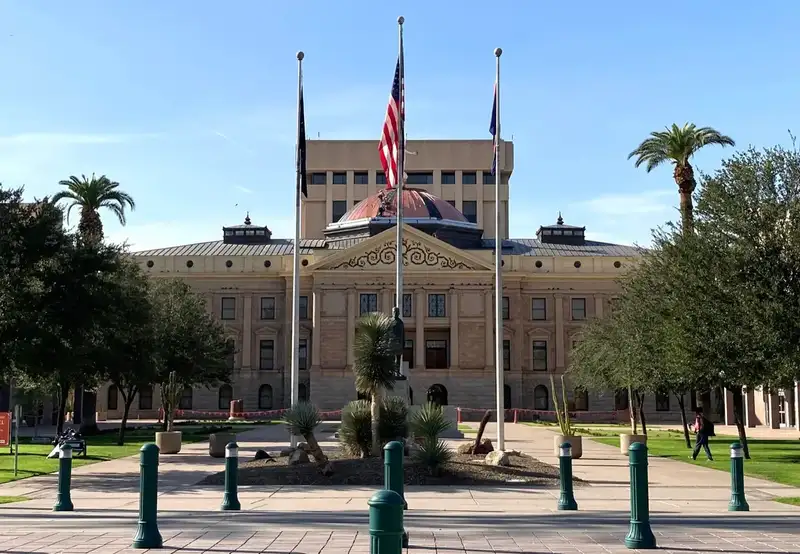
Arizona NARR State Affiliate (AzRHA) | Recovery Housing Guide
Arizona Recovery Housing Association (AzRHA) - Arizona's NARR affiliate for recovery housing certification. Requirements, benefits, and how to get certified.

New Mexico NARR State Affiliate | Recovery Housing Certification Guide
New Mexico recovery housing certification guide. No NARR affiliate yet - learn about national certification options and what to expect.

U.S. Sober Living Regulations: Part 1 - National Overview
Learn about US sober living home regulations (Part 1). Covers licensing, voluntary certifications & referral rules impacting recovery residences nationwide.