
Everything You Want to Know About Opening a Sober Living Home in Hawaii
Complete guide to opening a sober living home in Hawaii. Covers licensing requirements, state regulations, certification options, and startup steps for operators.

Must all sober living homes in Hawaii be licensed?
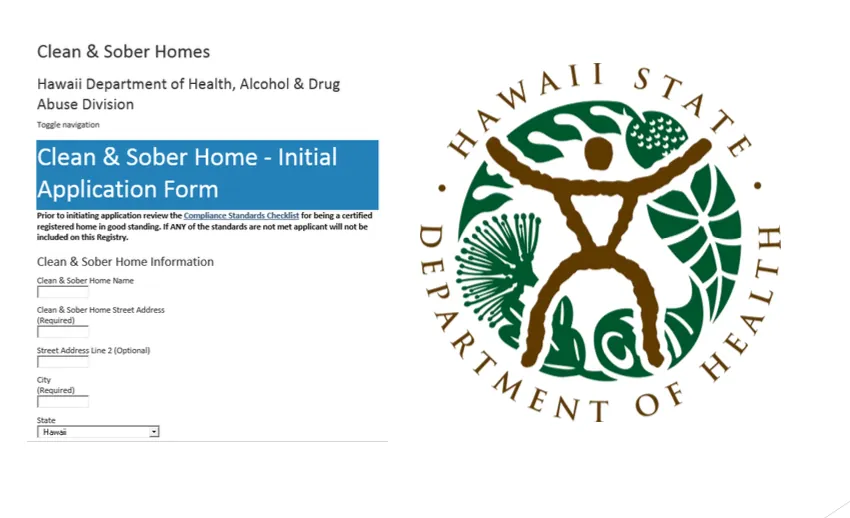
No. Hawaii Department of Health, Alcohol & Drug Abuse Division does not issue licenses or certifications for sober living homes. However, cities and counties may have their own group home, boarding home, or other local ordinances that impose additional requirements. You must verify all local regulations with your municipality and consult a qualified local attorney before beginning operations. However, the regulatory body does manage a voluntary registry for what they term “clean and sober homes.”
What is the Clean and Sober Homes Registry in Hawaii?
In 2014, Hawaii’s House of Representatives passed Act 193, which established the “Clean and Sober Home Registry” and altered county zoning laws to accommodate sober living homes. The registry was finally launched in 2019. The registry itself is described in Chapter 178 of Hawaii Administrative Rules (Title 11, Department of Health). It is essentially a special list of homes that have passed state inspection. The homes must meet certain criteria in order to be entered in the the list.
Registered and in good standing with the “clean and sober homes registry” can advertise that they are “clean and sober homes”
What is the process for being entered into the Clean and Sober Home Registry in Hawaii?
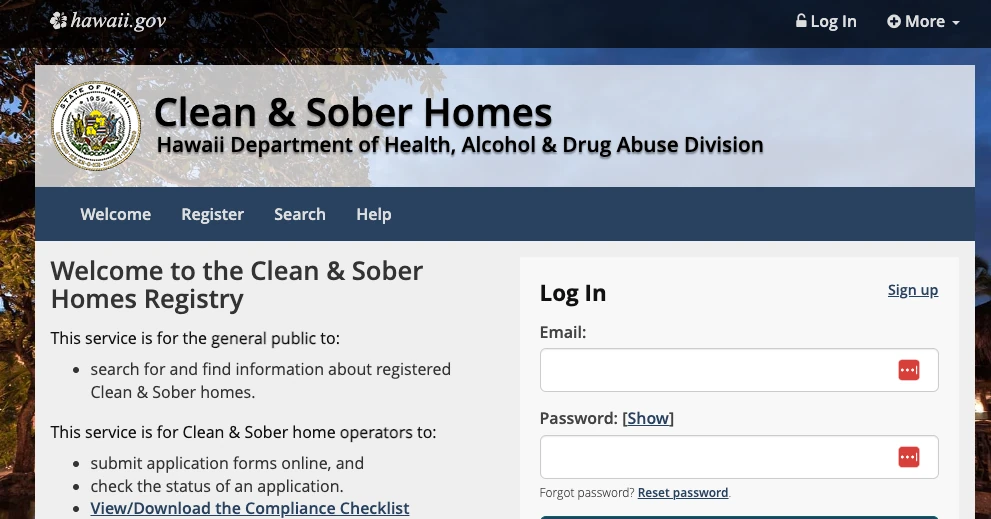
The process is fairly straightforward. It involves an application, along with a review of that application and a request for any additional documentation, if necessary. When the documentation phase is complete, the Department of Health, Alcohol & Drug Abuse Division schedules a walk-through inspection of the sober living home and renders a decision: “in good standing” or “not in good standing.” Homes found to be in good standing are added to the registry.
What documentation is required for adding my sober living home to the registry in Hawaii?
Requirements for registration are typical of other state’s sober living regulations. They include:
-
A mission statement, code of ethics, as well as various policy and procedure entries into a sober living home management manual
-
Screening criteria for onboarding new residents
-
Demonstrated fiscal management system
-
Proof of insurance
-
Resident’s rights and responsibilities documentation
-
Grievance procedure
-
Basic fire and building safety requirements
-
Good neighbor agreements regarding noise, smoking, etc
The compliance checklist contains the complete list of requirements. There is also a powerpoint presentation of an orientation designed for people looking to add their sober living home to Hawaii’s Clean and Sober Homes Registry available online.
How much does it cost to be entered into the Clean and Sober Home Registry?
Believe it or not, entry into the registry is free. There are no application fees, inspection fees or ongoing annual fees associated with participation in the Clean and Sober Home Registry.
Does my Hawaii sober living home have to be entered into the registry in order to receive referrals from state agencies?
No. Unlike other states, Hawaii does not restrict state referrals to homes listed on the registry. Instead, the bill is intended to indicate a “preference” for these homes within state referral sources. In other words, parole officers, social workers and other workers are supposed to refer to sober living homes listed on the registry first. It’s difficult to say whether this happens in reality.
What are some of the downsides of operating a sober living home in Hawaii?
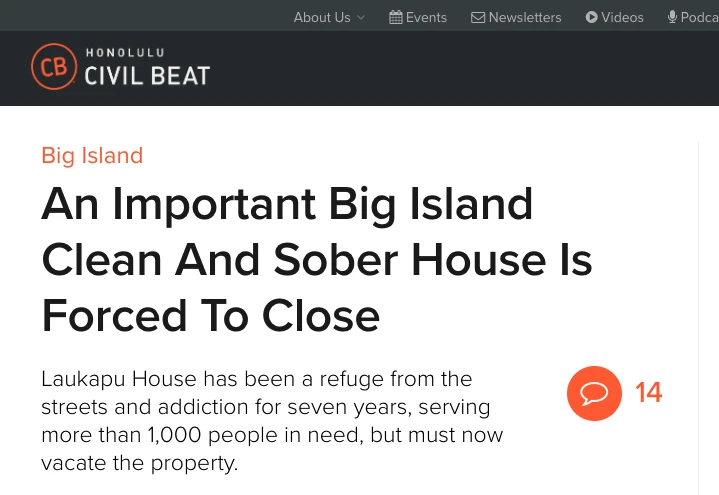
The high price of real estate in Hawaii makes sober living homes difficult to maintain, especially when they are operated on a rental arbitrage model. Many homes, like Laukapu House on the big island, have been forced to close when the owners have decided to sell the property in response to sharp increases in value.
What is the difference between sober living homes, recovery residences, and “clean & sober homes” in Hawaii?
While any sober facility is Hawaii can call itself a “recovery residence” or a “sober living home” only homes that have been added to the state’s Clean and Sober Homes Registry can refer to itself as a “clean and sober home.”
Links for Hawaii Sober Living Research and Related Topics
Addiction treatment centers in Hawaii - Behave Bridge
What’s the Average Length of Stay Per Level of Care for Addiction Treatment Patients with Kaiser Foundation Health Plans? (a major insurance payer in Hawaii)
State of Hawaii Clean and Sober Homes Registry
Hawaii NARR Affiliate Status
For information about certification standards and NARR guidelines in Hawaii, see our guide on the Hawaii NARR State Affiliate.
Considering Opening a Hawaii Sober Living Residence? We Help Sober Living Succeed.
Sober Living App makes it easier - and more profitable - to operate sober living homes.
Our all-in-one app handles rent collection, admissions, property management, residents’ care coordination, community contacts, transportation details, calendars, staff, alumni and more - all from the convenience of your phone.
Claim your free trial today and see why more sober living homes prefer the Sober Living App.
Frequently Asked Questions
Do sober living homes in Hawaii need to be licensed?
No. Hawaii's Department of Health does not issue licenses or certifications for sober living homes. However, local municipalities may have their own ordinances. There is a voluntary Clean and Sober Homes Registry.
What is Hawaii's Clean and Sober Homes Registry?
Established by Act 193 in 2014 and launched in 2019, it's a voluntary state registry for homes meeting certain standards. Only registered homes can advertise as 'clean and sober homes.'
How much does it cost to join Hawaii's Clean and Sober Homes Registry?
Entry is completely free. There are no application fees, inspection fees, or ongoing annual fees associated with participation in the registry.
Do I need to be on Hawaii's registry to receive state referrals?
No. Unlike other states, Hawaii does not restrict referrals to registered homes. The registry creates a 'preference' for listed homes among parole officers and social workers, but it's not a requirement.
What are the downsides of operating a sober living home in Hawaii?
High real estate costs make homes difficult to maintain, especially under rental arbitrage models. Properties are frequently sold when values spike, forcing sober living homes to close unexpectedly.
Manage your homes more efficiently
From admissions to discharge, Sober Living App streamlines every aspect of running recovery residences.
Related Articles

Sober Living Home Business Plan Template: Complete Guide for 2026
Free sober living home business plan template with step-by-step instructions. Covers market analysis, financial projections, operations, licensing, and funding strategies for recovery residence startups.
How to Open a Sober Living Home in New Jersey: Complete 2026 Operator Guide
Start a sober living home in New Jersey: Class F license requirements, GSARR certification, P.L. 2025 c.60 regulations, startup costs by market, and opioid settlement funding. Step-by-step guide for operators.

Sober Living Resident Agreement Template [Free Download 2026]
Free sober living resident agreement template with customizable sections for house rules, rent, drug testing, and discharge policies. Copy-ready format.