
Delaware NARR State Affiliate | Complete Guide
Delaware's NARR affiliate for recovery housing certification. Requirements, NARR levels, benefits, and how to get your sober living home certified in Delaware.
Legal Disclaimer
This article provides general information for educational purposes only. It is not legal, financial, or compliance advice. Recovery housing regulations vary by state, county, and municipality. You must consult with a qualified local attorney and your municipality's code enforcement office to confirm all requirements at every level of jurisdiction. Regulations change frequently — always verify current requirements directly with relevant government agencies.
Delaware NARR State Affiliate: A Complete Guide to FSARR Certification
Introduction
The First State Alliance of Recovery Residences (FSARR) serves as Delaware’s official NARR affiliate, providing certification and quality standards for recovery residences throughout the First State. As a 501(c)(3) nonprofit organization, FSARR is dedicated to expanding the availability of well-operated, ethical, and supportive recovery housing for individuals in recovery from substance use disorders in Delaware.
Value Proposition: This comprehensive guide provides recovery residence operators, entrepreneurs, and healthcare providers with everything needed to understand FSARR certification requirements, the application process, and the benefits of becoming a certified recovery residence in Delaware.
Table of Contents:
- About the First State Alliance of Recovery Residences (FSARR)
- NARR Certification Levels
- How to Get Certified
- Benefits of FSARR Certification
- Compliance and Best Practices
- Contact Information and Resources
About the First State Alliance of Recovery Residences (FSARR)
History and Mission
FSARR was established as Delaware’s official NARR affiliate to bring nationally recognized recovery housing standards to the First State. The organization works in partnership with Delaware’s Division of Substance Abuse and Mental Health (DSAMH) to implement best practice standards across the state, ensuring that recovery residences meet the highest levels of quality, safety, and ethical operation.
Delaware has faced significant challenges with substance use disorders, particularly during the opioid crisis. FSARR’s formation represented a critical step in ensuring that individuals transitioning from treatment to independent living have access to safe, structured, and supportive housing environments that promote long-term recovery.
Mission Statement
FSARR’s mission is to:
- Expand access to quality recovery residences throughout Delaware
- Uphold high standards of ethics and best practices aligned with NARR
- Provide education, training, and advocacy for recovery housing operators
- Ensure residents across the First State have access to safe, supportive environments that promote long-term recovery
- Collaborate with state agencies and community organizations to strengthen Delaware’s recovery housing ecosystem
NARR Certification Levels
FSARR certifies recovery residences according to NARR’s four nationally recognized levels of support:
Level 1: Peer-Run Recovery Residences
- Democratically operated by residents
- No paid staff on-site
- Peer-based support and accountability
- Residents manage house operations collectively
- Most affordable option for residents
Level 2: Monitored Recovery Residences
- House manager or senior resident provides oversight
- Regular monitoring of house activities
- Structured environment with established house rules
- Connection to recovery support services
- Drug testing and accountability measures
Level 3: Supervised Recovery Residences
- 24/7 staff presence
- Paid staff providing direct support
- Structured programming and recovery services
- Service coordination with treatment providers
- Higher level of accountability and structure
Level 4: Service Provider Recovery Residences
- Clinical services integrated into housing
- Credentialed clinical staff
- Intensive support for residents with complex needs
- Licensed treatment facility standards may apply
- Comprehensive programming and case management
How to Get Certified with FSARR
Step 1: Review NARR Standards
Before applying, familiarize yourself with NARR Standard 3.0, which covers:
- Administrative and fiscal management
- Resident rights and responsibilities
- Health, safety, and wellness protocols
- Recovery support programming
- Ethical practices and good neighbor policies
Step 2: Submit Application
Apply through FSARR to begin the certification process. The application requires:
- Detailed organizational information
- Policies and procedures documentation
- Resident agreements and house rules
- Staff qualifications and training records
- Financial and operational information
Visit fsarr.org to access the application portal and review current submission requirements.
Step 3: Site Inspection
An FSARR representative will conduct an on-site inspection based on NARR standards. Inspectors will:
- Tour the facility and assess physical safety
- Review resident files and operational logs
- Interview staff and residents
- Verify compliance with all applicable standards
Step 4: Staff Training
All individuals who interact with residents must:
- Read and sign the NARR Code of Ethics
- Complete required training modules offered through FSARR
- Understand HIPAA and confidentiality requirements
- Demonstrate competency in recovery support practices
Step 5: Certification Decision
Upon completion of the review process, FSARR will issue:
- Full Certification: Valid for two years when all standards are met
- Conditional Approval: Minor deficiencies must be corrected within a specified timeframe
- Deferred Approval: Significant issues require corrective action before certification
Step 6: Ongoing Compliance
Maintain certification through:
- Re-certification every two years
- Regular communication with FSARR
- Continuous quality improvement processes
- Implementing resident feedback systems
Benefits of FSARR Certification
Credibility and Trust
- National recognition through NARR affiliation
- Demonstrates commitment to quality standards
- Builds trust with referral sources and families
- Distinguishes your residence from non-certified facilities in Delaware
Access to Referrals
- Healthcare providers prefer certified facilities
- Treatment centers across Delaware seek certified referral partners
- Courts and probation programs recognize FSARR/NARR certification
- Insurance companies value certified recovery residences
Operational Excellence
- Clear guidelines for running a quality program
- Access to FSARR training and education resources
- Connection to a network of certified operators throughout the Mid-Atlantic region
- Support from FSARR staff for compliance questions
Resident Outcomes
- Better outcomes for residents in certified homes
- Structured environments promote long-term recovery
- Peer support models enhance accountability
- Quality standards ensure resident safety and dignity
Funding Opportunities
- Some grant programs require NARR certification
- Opioid settlement funding distributed through Delaware may be available to certified homes
- State and county funding programs prefer certified residences
- Enhanced credibility for fundraising efforts
Compliance and Best Practices
Key Compliance Requirements
HIPAA Compliance
- Protect all resident health information
- Train staff on confidentiality requirements
- Implement secure record-keeping systems
- Follow proper procedures for information disclosure
Fair Housing Act
- Ensure non-discriminatory admissions policies
- Provide reasonable accommodations when required
- Understand protected class requirements
- Maintain compliant marketing materials
Safety Standards
- Meet all Delaware fire safety requirements
- Maintain adequate first aid supplies
- Develop emergency response plans
- Ensure proper medication storage protocols
10-Point Compliance Checklist
- Maintain current FSARR/NARR certification
- Train all staff on HIPAA regulations
- Conduct regular internal audits
- Communicate with local health authorities and DSAMH
- Keep accurate records of resident progress
- Ensure adequate insurance coverage
- Stay current on Delaware legislative changes affecting recovery housing
- Foster an inclusive environment
- Review and update policies regularly
- Implement continuous quality improvement
Using Technology for Compliance
Streamline your operations and maintain compliance with Sober Living App, which helps you:
- Track resident information securely
- Manage drug testing schedules and results
- Document house meetings and activities
- Generate reports for certification reviews
- Maintain organized records for inspections
Contact Information and Resources
First State Alliance of Recovery Residences (FSARR)
Website: https://fsarr.org
NARR Affiliate Page: https://narronline.org/affiliates/
Delaware Division of Substance Abuse and Mental Health (DSAMH)
For additional information about substance use treatment and recovery services in Delaware, visit the Delaware DSAMH within the Department of Health and Social Services.
National Alliance for Recovery Residences (NARR)
Website: https://narronline.org
Access NARR Standard 3.0 and other resources through the national organization.
Related Resources
For more information about operating a recovery residence in Delaware, see our guide: FAQ About Opening a Sober Living Home in Delaware
Conclusion
FSARR certification demonstrates your commitment to providing quality, ethical recovery housing in Delaware. By meeting NARR’s nationally recognized standards, you position your residence as a trusted resource for individuals seeking a supportive environment for their recovery journey in the First State.
Ready to streamline your recovery residence operations? Sober Living App provides the tools you need to manage residents, track compliance, and maintain the documentation required for FSARR certification.
Last Updated: February 2026
Frequently Asked Questions
What is the NARR affiliate in Delaware?
Delaware's NARR affiliate certifies recovery residences according to nationally recognized NARR standards, ensuring safe, ethical, and supportive recovery housing throughout the First State. The affiliate works with state agencies to promote quality recovery housing standards.
How do I certify my sober living home in Delaware?
Contact the Delaware NARR affiliate to begin the certification process. Steps include submitting organizational documentation, completing staff training on the NARR Code of Ethics, undergoing a site inspection, and meeting NARR Standard 3.0 requirements.
Is sober living certification required in Delaware?
Certification through Delaware's NARR affiliate is voluntary. However, certification provides significant advantages including credibility with referral sources, access to funding opportunities, and recognition from treatment providers and courts.
What are the benefits of NARR certification in Delaware?
Benefits include national recognition through NARR affiliation, increased referrals from healthcare providers, access to state and grant funding, operational excellence guidance, and improved outcomes for residents in certified homes.
What NARR certification levels are available in Delaware?
Delaware certifies homes at all four NARR levels: Level 1 (Peer-Run), Level 2 (Monitored with house manager oversight), Level 3 (Supervised with 24/7 staff), and Level 4 (Service Provider with integrated clinical services).
Meet NARR standards with ease
Sober Living App aligns with NARR best practices to help you achieve and maintain quality certification.
Nearby Northeast States
Explore NARR affiliates and certification requirements in other northeast states:
Related Articles

Pennsylvania NARR State Affiliate (PARR) | Complete Guide
Pennsylvania Alliance of Recovery Residences (PARR) - Pennsylvania's NARR affiliate for recovery housing certification. Requirements, levels, benefits, and how to get certified.
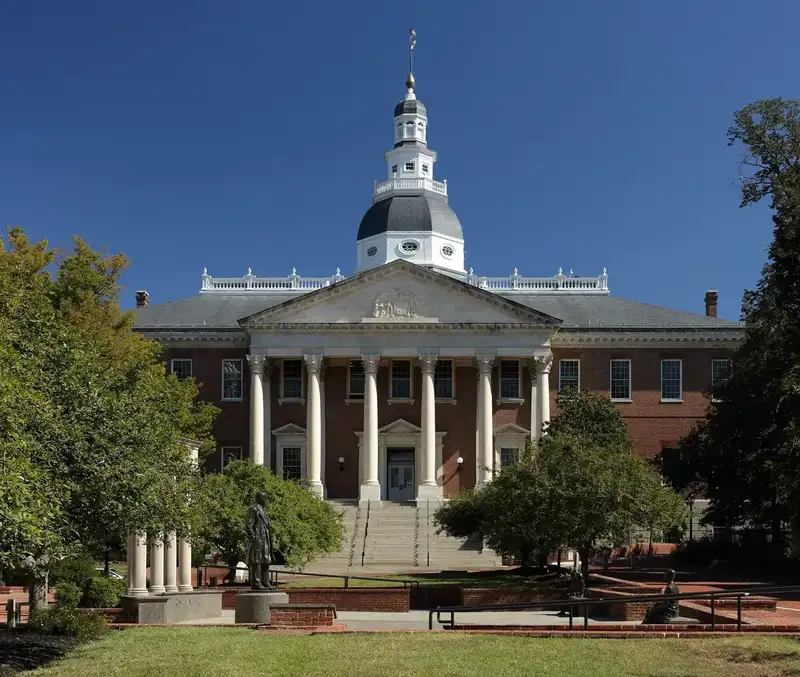
Maryland NARR State Affiliate | Recovery Housing Certification Guide
Maryland recovery housing certification guide. No NARR affiliate yet - learn about national certification options and what to expect for sober living homes.

U.S. Sober Living Regulations: Part 1 - National Overview
Learn about US sober living home regulations (Part 1). Covers licensing, voluntary certifications & referral rules impacting recovery residences nationwide.