
Consider These 6 Facts Before Opening a Sober Living Home in Connecticut
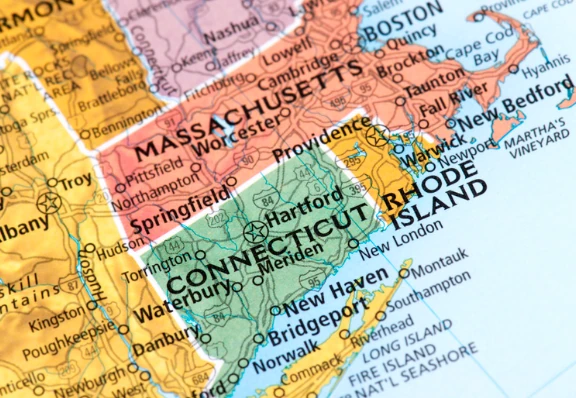
Opening a CT sober home? (Dec '22) 6 key facts on demand, regulations (no mandatory cert), DMHAS/CTARR insights & startup points.
Legal Disclaimer
This article provides general information for educational purposes only. It is not legal, financial, or compliance advice. Recovery housing regulations vary by state, county, and municipality. You must consult with a qualified local attorney and your municipality's code enforcement office to confirm all requirements at every level of jurisdiction. Regulations change frequently — always verify current requirements directly with relevant government agencies.
Fact #1: Connecticut Does Not Require Sober Living Homes to Seek Certification or Licensing with the State
Although Connecticut’s Department of Mental Health and Addiction Services (DMHAS) does maintain a listing of certified sober living homes on its website, there is no law in Connecticut that states that sober living homes must be certified to operate. However, cities and counties may have their own group home, boarding home, or other local ordinances that impose additional requirements. You must verify all local regulations with your municipality and consult a qualified local attorney before beginning operations. In fact, DMHAS does not, itself, even issue or oversee certification. That process is overseen by a private nonprofit organization called CTARR. ‘
Fact #2: Sober Living Homes That Take Medicaid in Connecticut Are Overseen by Advanced Behavioral Health
Connecticut’s Medicaid system, also known as Husky Health, reimburses sober living homes at a rate of $25 per day per bed. For homes that accept Medicaid dollars, a third party nonprofit called Advanced Behavioral Health. Advanced Behavioral Health calls itself a “behavioral health management company.” This organization works to ensure that all sober living homes that accept state dollars meet specific criteria outlined by the government, including proper drug testing protocols and test results documentation.
Fact #3: The Connecticut Association of Recovery Residences (CTARR) is a Great Resource for Connecticut Sober Living Home Operators
CTARR is the NARR state affiliate of Connecticut. This organization is responsible for certifying sober living homes according to the national standards established by NARR. CTARR certification is optional but it comes with many benefits, such as proof of legitimacy, professional advice and support, and lobbying representation at the state level.
Fact #4: CTARR is More Than Just Certification for Sober Living in Connecticut
In addition to overseeing certification in Connecticut, CTARR holds monthly meetings for members on Zoom on the last Tuesday of every month. They also host an annual golf tournament and a comedy night for members, both of which serve as fundraisers for the nonprofit organization. Connecticut is the only state in New England that does not contribute funding to its NARR affiliate organization, so these fundraisers are an important part of CTARR’s financial well being.
Fact #5: There Are Six Steps to CTARR Certification for Connecticut Sober Living Homes
There are 6 steps to completing the optional certification process for sober living homes in connecticut. They are:
-
Step 1 - Determine what level of support you intend to provide at your sober living home. CTARR uses the levels of support outlined by NARR. NARR’s system involves four different levels of support, level one is the least intensive while level four is the most intensive.
-
Step 2 - Submit your application online.
-
Step 3 - CTARR reviews your application and you discuss any questions or concerns during a telephone interview.
-
Step 4 - Complete an onsite inspection of the physical plant. This will be the first of your yearly inspections with CTARR.
-
Step 5 - A certification determination is made and you receive your certification. It’s also during this step that your sober living home is listed on the CTARR website.
-
Step 6 - Recertify. You’ll follow the first 5 steps again every year.
Fact #6: CTARR Certification Fees Are Reasonable for Connecticut Sober Living Homes
CTARR’s certifications are good for one year. The cost is a flat $300 fee plus $1 for every bed in the home (use bed management to track your capacity). There is an additional $100 fee for the onsite inspection, which must be completed every year along with the certification renewal. The onsite inspection fee is due for every home you operate, regardless of the number of homes you are certifying. The fee covers the time it takes to complete the inspection.
Helpful Links for Opening a Sober Living Home in Connecticut
CTARR’s Application Checklist for Certification
Connecticut is a Smart Choice for Opening Your Next Licensed Addiction Treatment Center
Learn About Connecticut’s NARR Affiliate
For detailed information about CTARR certification standards and NARR guidelines in Connecticut, see our guide on the Connecticut NARR State Affiliate.
Considering Opening a Connecticut State Sober Living Residence? We Help Sober Living Succeed.
Sober Living App makes it easier - and more profitable - to operate sober living homes.
Our all-in-one app handles rent collection, admissions, property management, residents’ care coordination, community contacts, transportation details, calendars, staff, alumni and more - all from the convenience of your phone.
Claim your free trial today and see why more sober living homes prefer the Sober Living App.
Frequently Asked Questions
Is certification required to operate a sober living home in Connecticut?
No. Connecticut has no law requiring certification. DMHAS maintains a listing of certified homes but doesn't issue certification itself. CTARR, a private nonprofit, handles the optional certification process.
What is CTARR and what does it do for Connecticut sober living homes?
CTARR is the NARR state affiliate for Connecticut. It certifies sober living homes to national NARR standards, holds monthly Zoom meetings, hosts fundraisers, and provides professional support and advocacy.
How much does CTARR certification cost in Connecticut?
Certification costs a flat $300 fee plus $1 per bed, plus a $100 onsite inspection fee per home. Certification and inspection must be renewed annually.
Can sober living homes in Connecticut accept Medicaid?
Yes. Connecticut's Medicaid (Husky Health) reimburses sober living homes at $25 per day per bed. Homes accepting Medicaid are overseen by Advanced Behavioral Health, a third-party nonprofit.
What are the steps to get CTARR certified in Connecticut?
Six steps: determine your NARR support level, submit an online application, complete a telephone interview, pass an onsite inspection, receive certification and website listing, then recertify annually.
Put this knowledge into action
Sober Living App gives you the tools to implement best practices and run a successful operation.
Related Articles

Sober Living Home Business Plan Template: Complete Guide for 2026
Free sober living home business plan template with step-by-step instructions. Covers market analysis, financial projections, operations, licensing, and funding strategies for recovery residence startups.
How to Open a Sober Living Home in New Jersey: Complete 2026 Operator Guide
Start a sober living home in New Jersey: Class F license requirements, GSARR certification, P.L. 2025 c.60 regulations, startup costs by market, and opioid settlement funding. Step-by-step guide for operators.

Sober Living Resident Agreement Template [Free Download 2026]
Free sober living resident agreement template with customizable sections for house rules, rent, drug testing, and discharge policies. Copy-ready format.