
3 Coronavirus Changes Your Sober Living Home Needs to Make This Week
(April 2020) Sober living homes: 3 key COVID-19 changes to implement for safety, staffing & contingency planning during the pandemic.
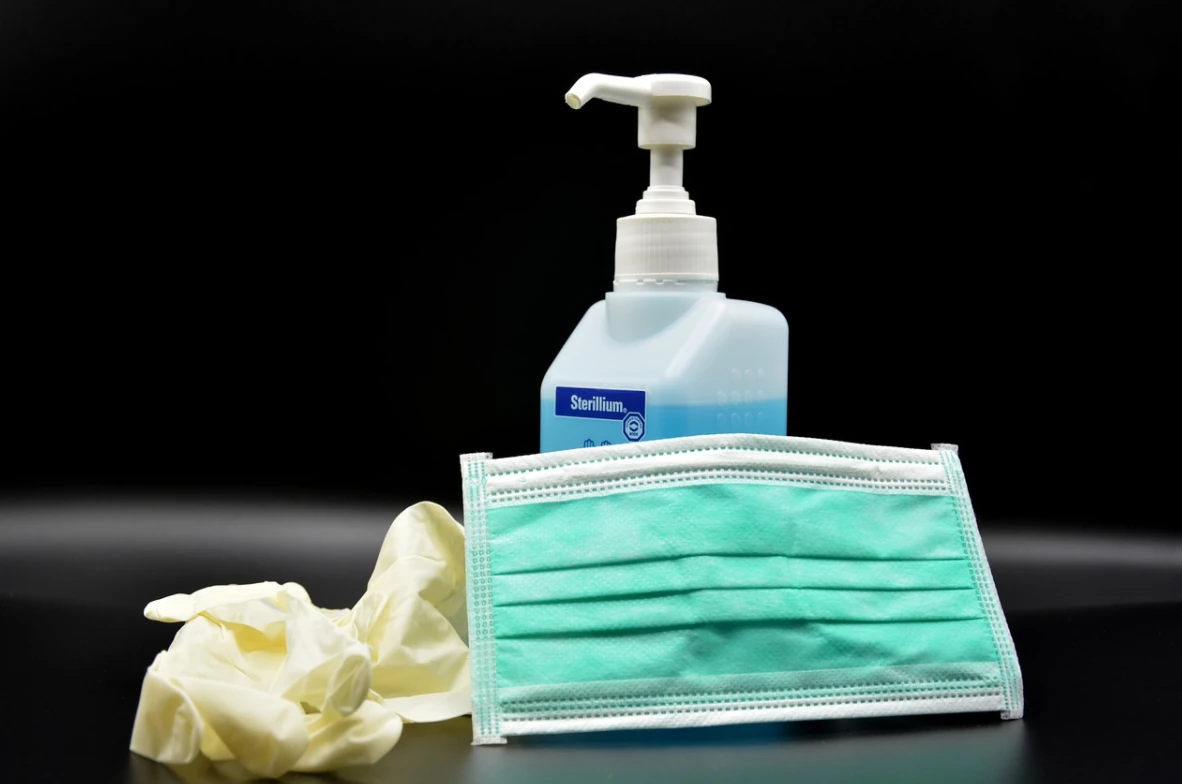

Sober living homes across the country are grappling with the new reality of the COVID-19 pandemic.
The good news: the recovery community is uniquely poised to deal with crises. We know how to meet seemingly insurmountable challenges head-on and stay in the fight against all odds. Our skills in self-determination, community-mindedness, and resiliency will serve us well in the coming months.
Read on for the top 3 changes you should be making at your sober living home this week.
Get Residents On Board with New Safety Protocols
It’s not enough to just make new safety rules (i.e. handwashing, disinfecting, mask-wearing, visitation limits, etc.) at your sober living home to reduce the risk of community transmission.
You have to go further than that. You must get your residents—and staff— on board with any and all changes you make to safety protocols at the home.
The first step to getting everyone on board with the changes is education. It’s important that residents and staff understand why changes are being implemented and how the community benefits from those changes.
Talk about COVID-19 with your residents. Make sure they understand the highly infectious nature of the virus and what implications it has for our health care system, our economy, and our at-risk populations. Consider holding a house meeting with the sole purpose of discussing the changes and eliciting new ideas from residents about what else could be done to make them feel safe. If appropriate, post reminders around the home about new safety protocols. Do periodic check-ins to see if any procedures need to be revisited or revised to make them more effective.
Change the Way You Shop

Many sober living homes are having difficulty securing necessary supplies as we see supply chain disruptions cause things like toilet paper and cleaning products to be wiped off shelves. Some national stores are limiting the number of essential items any one shopper can buy at a time, making it difficult to buy in bulk. Sober living home managers need to adopt new strategies to secure the supplies residents need right now.
Here’s the shopping strategy we’ve seen work for some sober living homes: When you are planning a shopping expedition, call ahead to the store and ask to speak to the business account manager or the store manager. Explain that you operate a sober living home and that you are buying for a large number of residents. Ask about the availability of the goods you need. Be willing to provide paperwork that proves that you operate a sober living home, such as a recovery housing certificate provided by your state. Ideally, the certificate will list the number of residents in your home.
If you need masks or other personal protective equipment (especially if you have suspected or known cases of COVID-19 among your residents), contact your local State Hazard Mitigation Officer to see if you can secure masks through them. You can find their contact information on the FEMA State Hazard Mitigation Officers page.
Develop a Contingency Plan for What Happens if a Staff Member or Resident Develops the Virus
Don’t be caught without a plan if one of your residents or staff members develops symptoms. You’ll need to act quickly to contain the virus and mitigate risk to the rest of your sober living home, which means you’ll want to have a plan in place before you need one.
You need to make a plan to isolate any residents that become sick. Consider what will happen, too, if your sober living home manager begins developing symptoms. Who can take over essential tasks for them? What systems can you put in place now to minimize the impact of their illness on the rest of the sober living home?
The good news is you don’t have to reinvent the wheel here. Other sober living homes have already dealt with these realities and they’ve generously shared the protocols they’ve developed for dealing with COVID-19 in a sober living home setting. Review their protocols and see what makes sense at your sober living home. Make changes as necessary and commit your plan to writing. Share your plan with residents and staff members ASAP so if you need to implement the plan it doesn’t come as a surprise to anyone.
Staying Organized Is More Important Than Ever Before
You can’t implement good policies around COVID-19 without a solid foundation of organization. The Sober Living App makes every part of your business—from tracking oil changes to attracting new residents to organizing house chores—easier, cleaner and more efficient.
Give the Sober Living App a try today—it’s free and there’s no obligation to buy.
Frequently Asked Questions
What safety protocols should sober living homes implement during COVID-19?
Implement handwashing, disinfecting, mask-wearing, and visitation limits. Educate residents on why changes matter, hold house meetings, post reminders, and do periodic check-ins to revise procedures as needed.
How can sober living homes secure supplies during a pandemic?
Call stores ahead, ask for the business account manager, explain you operate a sober living home, and provide proof like a recovery housing certificate. Contact your State Hazard Mitigation Officer for PPE.
What contingency plan should a sober living home have for COVID-19 cases?
Create an isolation plan for sick residents, designate backup staff if the house manager gets ill, review protocols from other homes, commit the plan to writing, and share it with all residents and staff.
Why is organization important for sober living homes during COVID-19?
Good organization is the foundation for implementing effective COVID-19 policies. Tracking supplies, staffing, bed management, and resident safety all require structured systems to respond quickly to changing conditions.
Manage your homes more efficiently
From admissions to discharge, Sober Living App streamlines every aspect of running recovery residences.
Related Articles

Sober Living Home Business Plan Template: Complete Guide for 2026
Free sober living home business plan template with step-by-step instructions. Covers market analysis, financial projections, operations, licensing, and funding strategies for recovery residence startups.

How to Open a Sober Living Home in New Jersey: Complete 2026 Operator Guide
Start a sober living home in New Jersey: Class F license requirements, GSARR certification, P.L. 2025 c.60 regulations, startup costs by market, and opioid settlement funding. Step-by-step guide for operators.

Sober Living Resident Agreement Template [Free Download 2026]
Free sober living resident agreement template with customizable sections for house rules, rent, drug testing, and discharge policies. Copy-ready format.